Inspire Future Climate Change Champions with BrainPOP Science

Climate change is becoming urgent and prominent in conversations these days. And these are conversations kids are finding themselves participating in. In fact, 46% of teens say they’re interested in either the environment or climate change. Plus, Generation Alpha (those born between 2010-2024) is the first generation to shift the narrative from one of personal responsibility to one of top-level action. They’re looking at the big picture.
And the big picture is complicated. One that can be very overwhelming for a kid to wrap their head around, let alone solve. That’s why it’s our job as educators, parents, and grown-ups in their lives to help them understand and tackle problems, big or small, and equip them with the tools they need to make a tangible impact on our planet.
BrainPOP Science teaches science in a way that is engaging and relatable to today’s middle school students. It allows them to approach real-world problems while developing a deep knowledge of scientific concepts through immersive investigations, interactive resources, and more.
Teach About Climate Change with Ready-to-go Science Investigations
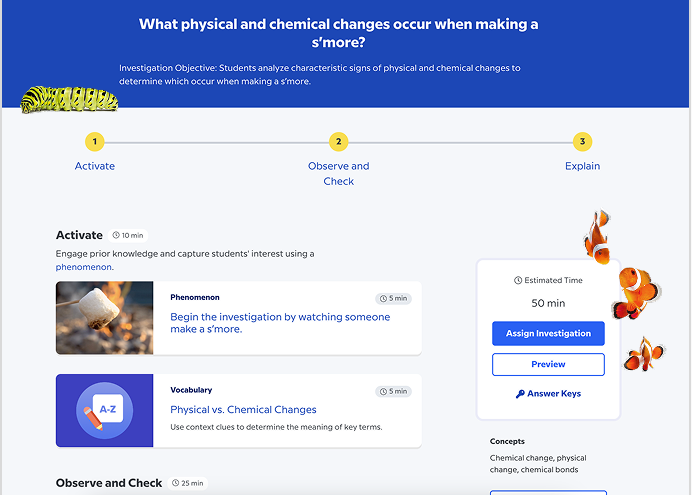
BrainPOP Science investigations are engaging and interactive lessons designed specifically for middle school classrooms. Throughout each investigation, students explore resources, record observations, and construct arguments and explanations using the Claim-Evidence-Reasoning (CER) framework.
Human Use of Natural Resources
Construct an argument that increases in human population and per capita consumption of water cause an increase in negative impacts on the global water supply.
Human Impacts on the Environment
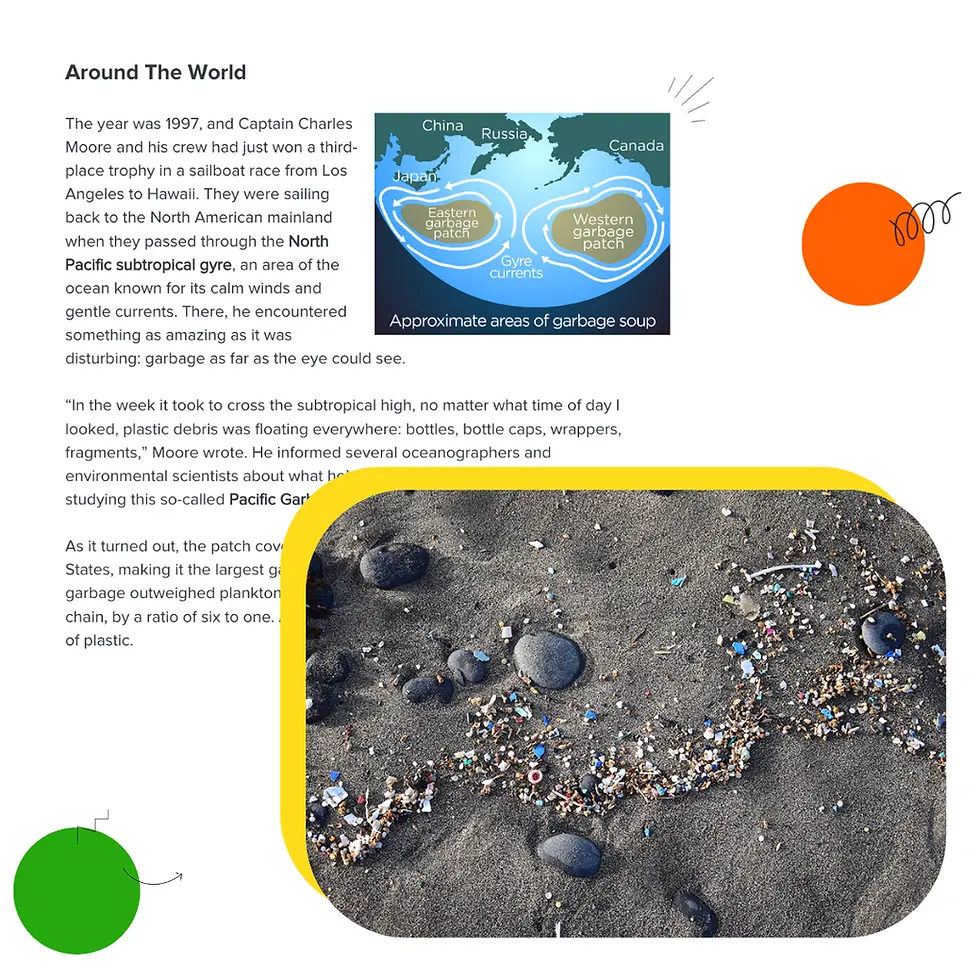
Explain the causes of plastic pollution and the effects that it has on natural habitats in Earth’s oceans.
Weather vs. Climate
Use models that represent systems that affect weather and climate to construct an explanation of the relationship between weather and climate.
Global Climate Change
Construct evidence-based explanations of how human activity has disturbed atmospheric stability, resulting in the current rise in Earth’s mean surface temperature.
Human Impacts on Climate Change
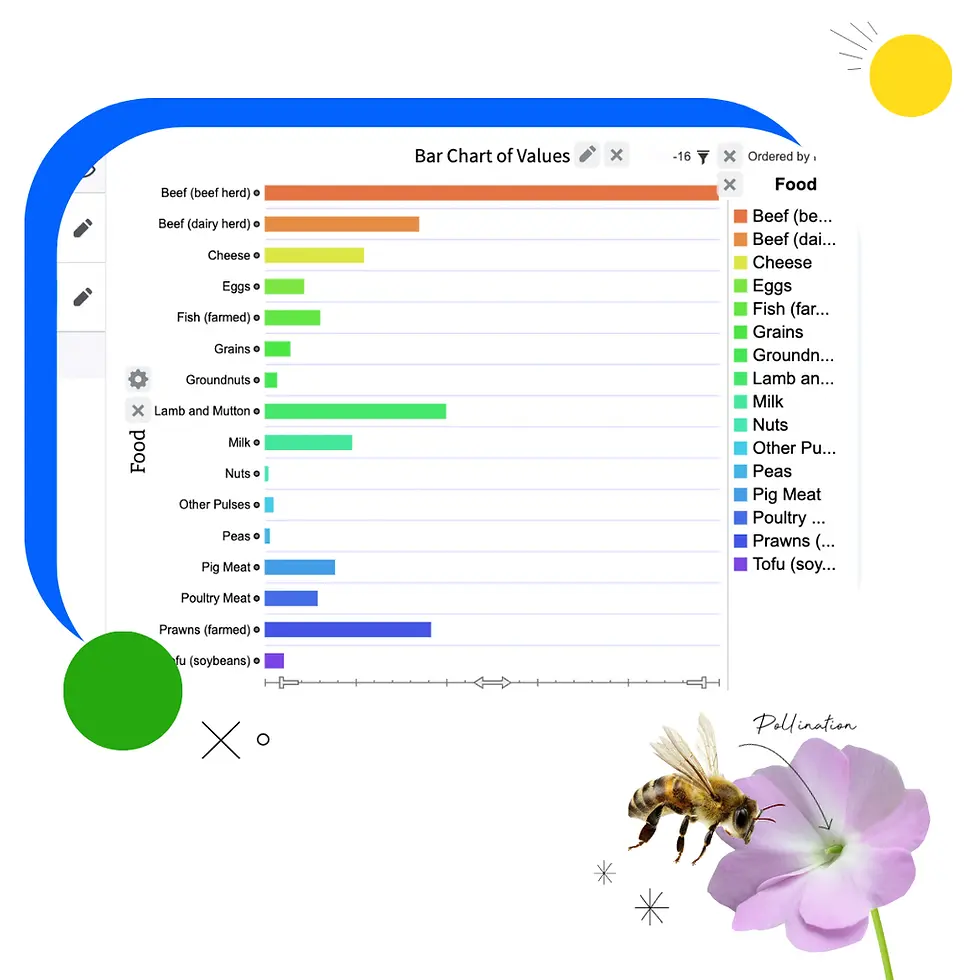
Explore stability and change in global climate to define problems with the human behaviors that promote and reduce global climate change, specifically in reference to dietary practices.
Interactive Data Manipulatives for Middle School Students
Data manipulatives present middle school students with real-world scientific data in interactive charts, graphs, tables, and maps, allowing them to examine the same data scientists use.
Extinctions and Human Population
Examine data that represents extinctions of vertebrate species, as well as the size of Earth’s human population, over the last 500 years.
Corals
Observe data collected by the Commonwealth of the Northern Mariana Islands in the Pacific Ocean from 25 nearby coral reefs to study how the reefs respond to ecosystem changes.
Wildlife and Human Impacts
Explore data from a 2017 study of hermit crabs on 12 coral islands in the Maldives.
Arctic Sea Ice
Explore the data representing changes in the amount of the Arctic Ocean’s surface covered in ice and discover why scientists might view these changes as an indicator of climate change.
3D Worlds for Middle Schoolers to Explore
A BrainPOP 3D WorldTM is a virtual “landscape” where students in grades 6-8 can observe and explore science concepts and have conversations in an environment they wouldn’t otherwise experience.
Citizen Science
During a virtual trip to the beach, students discover ways humans both help and harm the environment. Learners follow along as the team tracks local populations, replants native grasses, and studies an alarming algal bloom just offshore.
Ocean Plastic
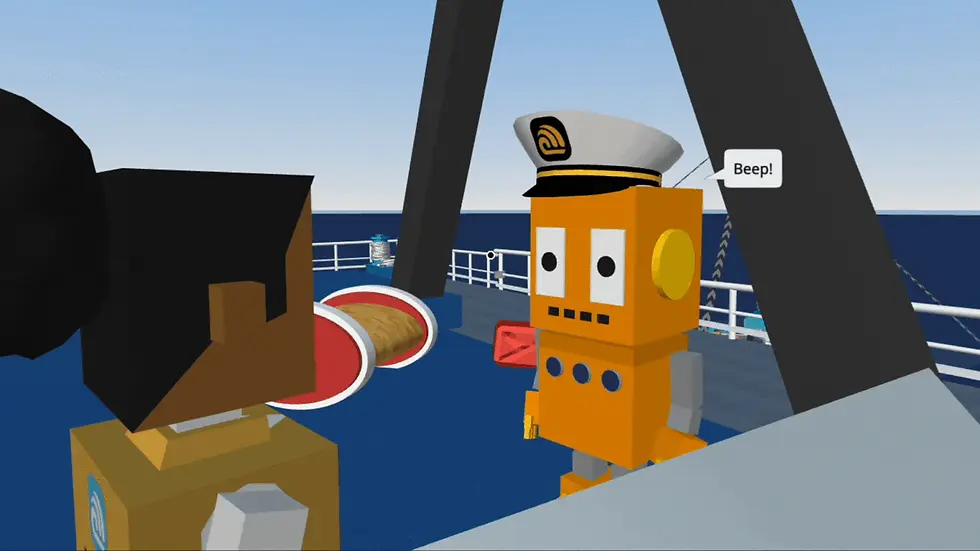
Students follow a team of engineers working on a research vessel where they’re testing two proposed devices to remove plastic waste from the ocean. Observing the successes and failures of each prototype, students make observations about both the engineering process and how the use of plastic affects the ocean environment and its organisms.
Teach Students the Importance of Being a Good Global Citizen with BrainPOP Science
Students today are the climate champions of tomorrow, and with BrainPOP Science we can help them approach the world with curiosity and confidence to be the problem solvers this planet deserves.
Don’t have a BrainPOP Science login? Try a Sample Investigation.
Jordan Bremus-Wyles is the Sr. Manager, Content & Social Media Strategy at BrainPOP, with a Bachelor's in English and Journalism. She is a youth advocate and mom of two. Jordan's favorite BrainPOP character is Tim.


Comments