Teaching Literary Genres Movie Roundup

Updated: Jun 25
You can put a definition of “historical fiction” on the board, and you can quiz students on what it means. But if they can’t really feel why Johnny Tremain is historical fiction—and what literary benefits it affords the author and reader—then the definition hasn’t done its job.
Genres are a framework: one that tells the reader what sort of story they’re reading, what conventions to look out for, why it matters, and why it exists in the first place. When students understand that framework, they notice more, read more deeply, ask more questions, make connections across literature, and write with more clarity.
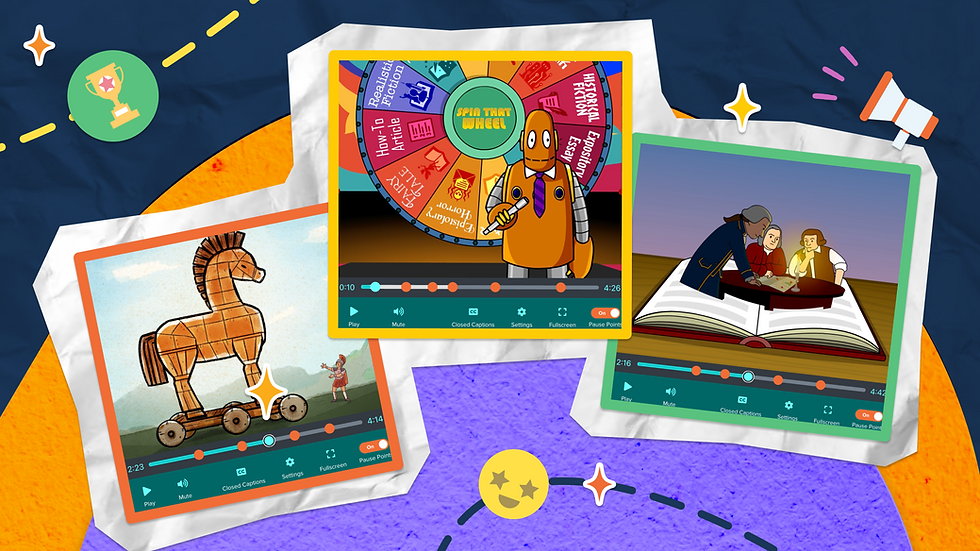
That’s why we built BrainPOP (3-8)’s newest collection of movies: to help students internalize literary genres to read and write with more curiosity and intention. Meet the first four of the series—Folktales, Adventure Stories, Realistic Fiction, and Historical Fiction—ready in time for National Reading Month (March) and International Children's Book Day (April 2), but relevant all year long. Use them as a genre study bell-ringer, as a way to introduce a new book, as a writing warmup, or an introduction to a social studies unit; no matter how you use them, your students will walk away making deep connections.
What Teaching Literary Genres Looks Like With BrainPOP
Folktales
Using Little Red Riding Hood across centuries, Cinderella across continents, and global origin myths, show students how folktales evolve as they travel across cultures and time.
What's covered:
Definition and Purpose
Evolution of "Little Red Riding Hood"
The Brothers Grimm
Cinderella Stories Around the World
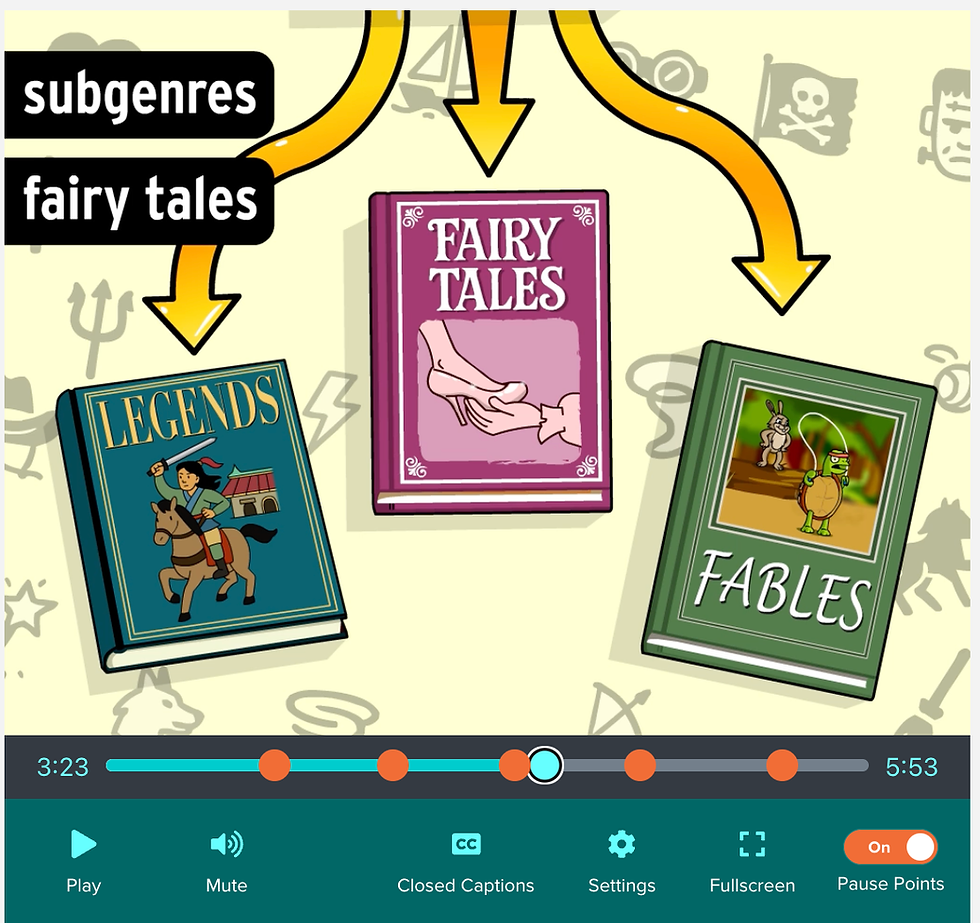
Subgenres:
Fairy Tales and Fables
Myths
Legends and The Ballad of Mulan
Tall Tales and "John Henry"
Why teachers will love it:
Besides being a pleasure to watch, this movie covers a lot—and can be used for a variety of instructional purposes. Whether you’re covering subgenres, oral tradition, the innate humanness of storytelling, cross-cultural comparison, or global mythological traditions, there’s something for you.
(Login required)
Teach grades K-3? There’s a brand-new Folktales movie for you, too—which covers most of the same ideas, but in a simpler way that’s more accessible for younger learners. Join Moby as he acts out Rapunzel (complete with the blonde wig) and Annie as she walks students through fairy tales, Aesop’s fables, the tall tale of Casey Jones, Mayan and Egyptian myths, and more.
Adventure Stories
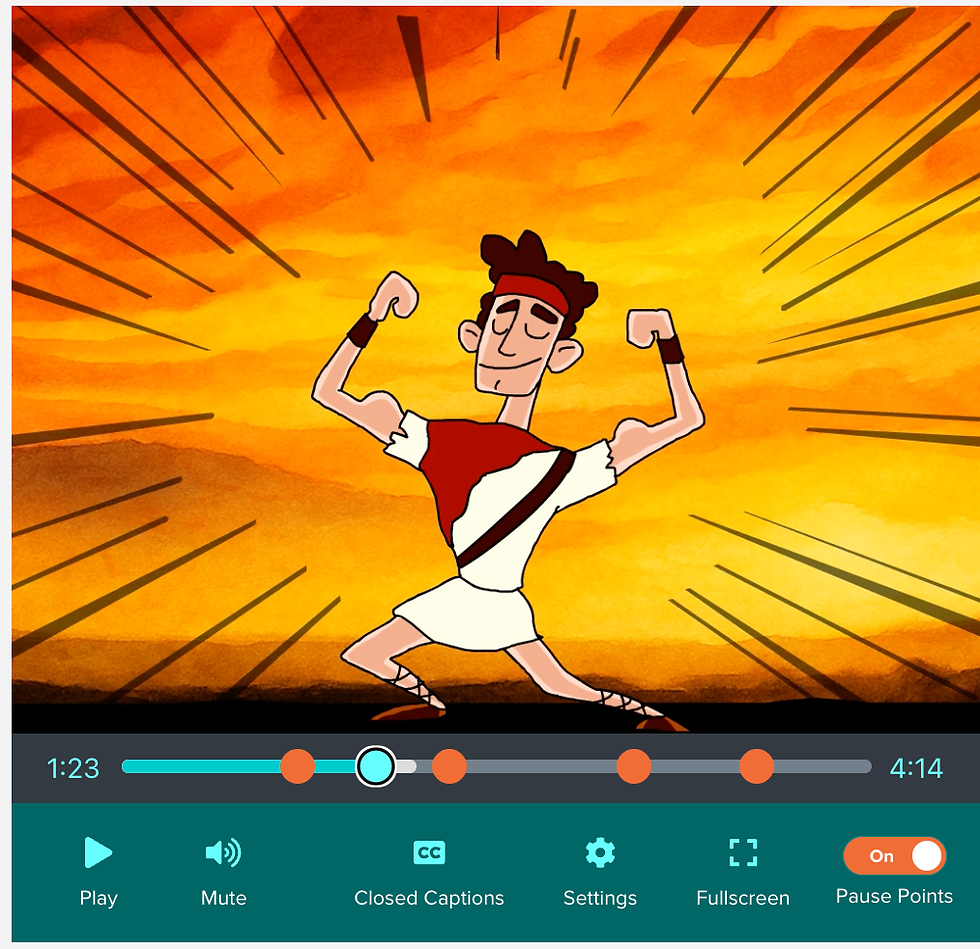
Through examples like The Odyssey, build students' understanding of what makes the adventure genre tick—the hero, the quest, the trials, and why the form has existed for thousands of years.
What's covered:
Story Genres and Conventions
Adventure Story Conventions
The Odyssey
Gary Paulsen's Hatchet
Why teachers will love it:
This one is as exciting to watch as any blockbuster adventure movie–while layering in definitions of genre, convention, protagonists, quests, and trials, right into the narrative.
Use it before reading an adventure story (of course), or before talking about mythology or ancient cultures in social studies.
(Login required)
Realistic Fiction
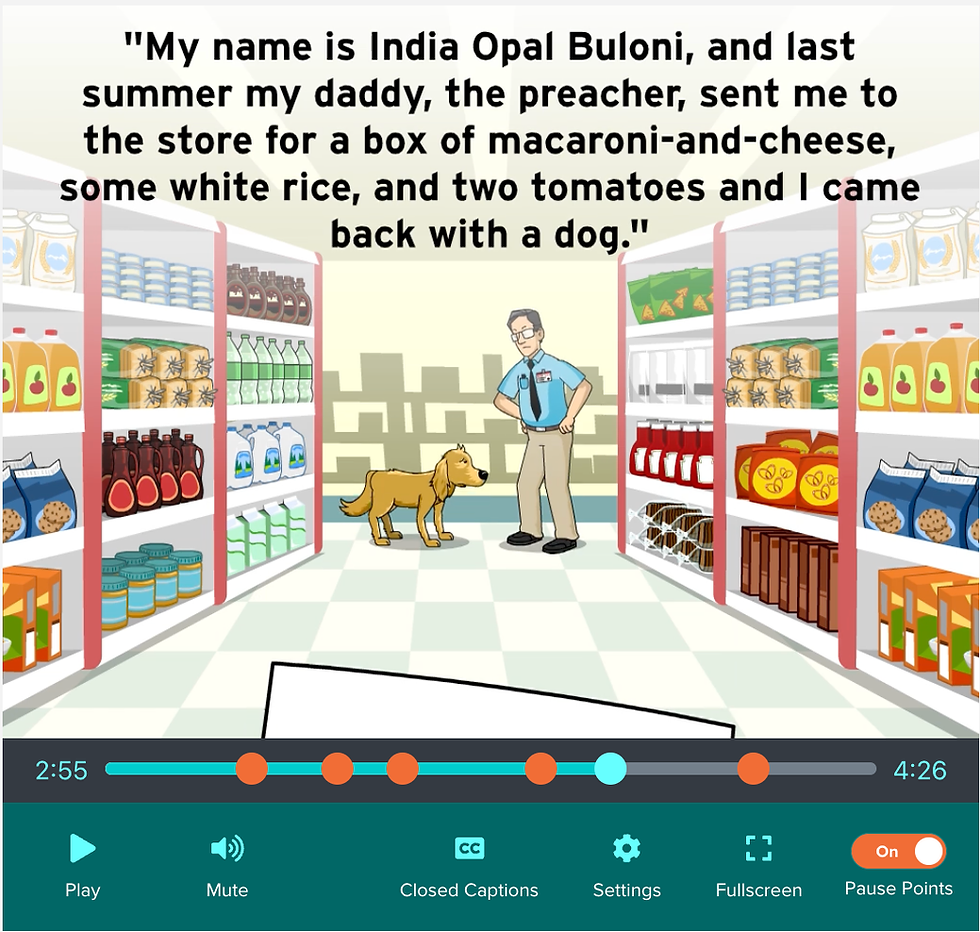
Use Diary of a Wimpy Kid and Because of Winn-Dixie to show students that realistic fiction can be funny or tender, plot-driven or quietly interior—and build the intuition to tell the difference.
What's covered:
Conventions
Genre
Diary of a Wimpy Kid
Because of Winn-Dixie
Why teachers will love it:
This movie acts as a perfect introduction to reading Diary of a Wimpy Kid or Because of Winn-Dixie, sure, but it also gives students the literary techniques to analyze character and setting in any realistic fiction book.
Use it before launching a realistic fiction or writing unit, comparing literary genres—say, realistic fiction vs. adventure stories—for character study or voice analysis, or as a warm-up before a personal narrative writing assignment.
(Login required)
Historical Fiction
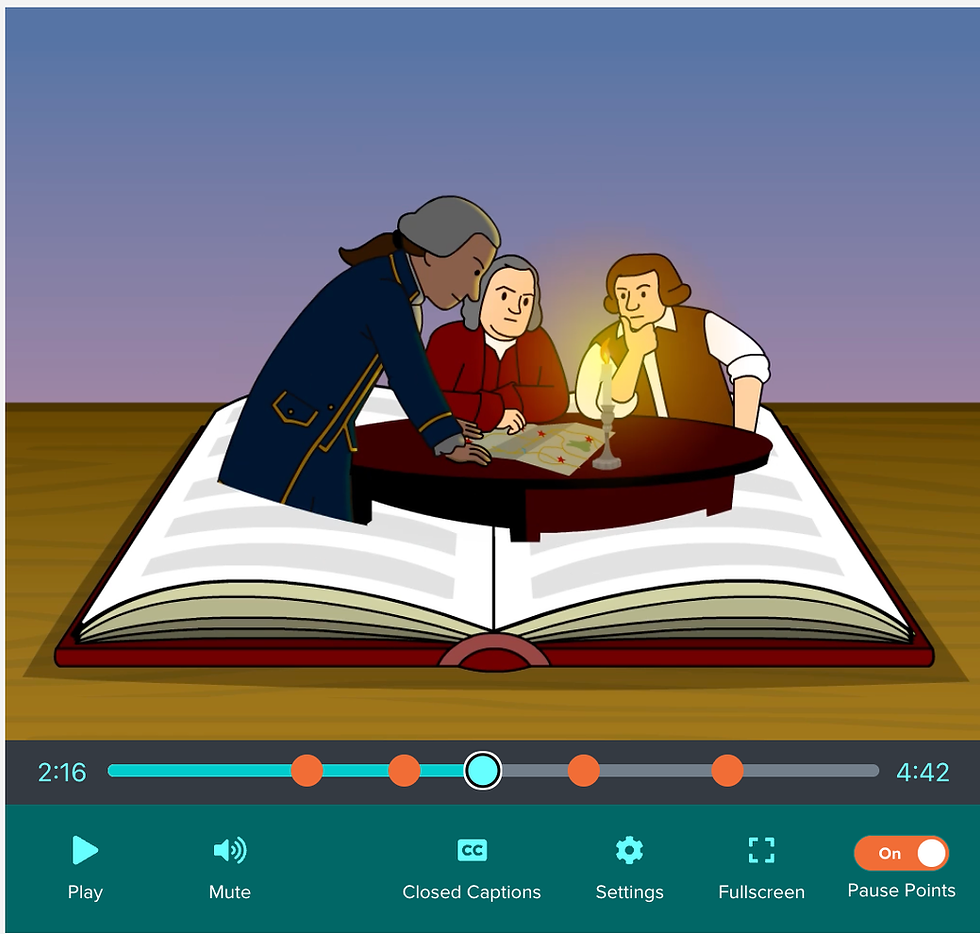
Through examples like Johnny Tremain and Bud, Not Buddy, explore how writers use historical periods and places as backdrops, the research process behind it, and the tension between fact and invention.
What's covered:
Definition and Conventions
Importance of Setting
Johnny Tremain and the Boston Tea Party
Bud, Not Buddy and the Great Depression
Why teachers will love it:
The two examples used help students not only understand the conventions of the genre but also apply their new knowledge across time periods.
This way, teaching the historical fiction elements becomes concrete, not abstract. The movie humanizes the historical periods—while showing how historical fiction as a genre is perfectly placed to do the same.
(Login required)
More Than Defining Literary Genres
These movies work together—thanks to the wacky game-show framing device—or alone. No matter how you watch or use them in class, you can feel confident that your students will be able to define the genre, cite examples, list conventions that make it unique, and identify literary elements of each. In other words, they’ll be able to feel it.
AnnaLiese Burich is a Product Marketing Manager at BrainPOP. In addition to holding an MA in Magazine Journalism and an MA in English Literature, she has worked in (and written for) the edtech space from every angle: from parenting tips and children's activities to classroom strategies and district goals. AnnaLiese's favorite BrainPOP character is Tim.


Comments