July 2026 Movie Roundup

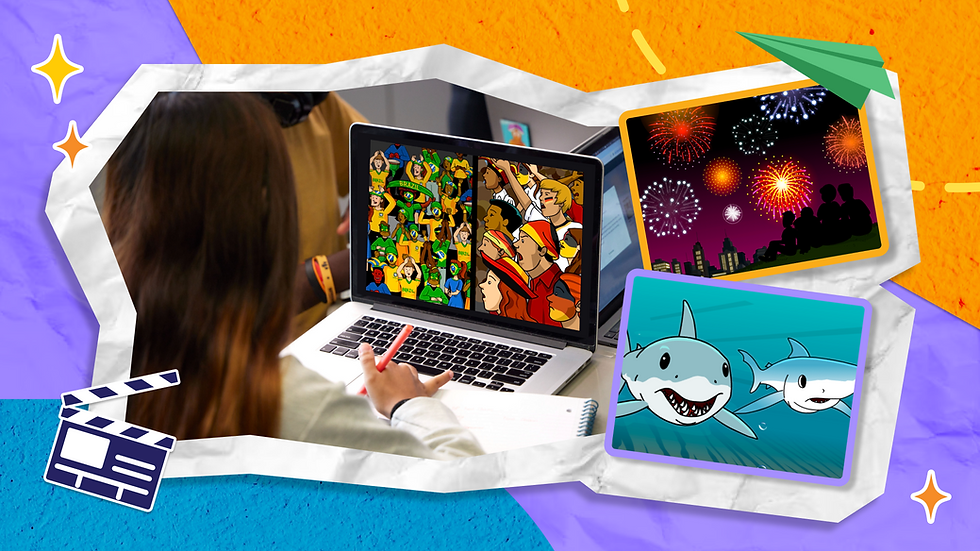
July doesn't pause for summer break—it delivers a Semiquincentennial, a World Cup final, and Shark Week all in one month. Moments like these are more than fun; they're a chance to build the background knowledge that helps kids fully connect with the world around them.
We've organized this roundup in two parts: movies that prep students for the cultural moments happening now, followed by notable dates in July history you can use as a doorway into teaching the big moments of the past (the moon landing, anyone?).
Prep students for notable cultural moments this July

July 4: America's 250th birthday
Celebrate the Semiquincentennial with BrainPOP’s newest movie all about the history and meaning of Independence Day! Not sure how to incorporate it? Check out these ideas.
Then, deep dive into the science behind Fireworks, teach the Declaration of Independence, and introduce younger learners to foundations like U.S. Symbols and George Washington.
July 19: World Cup Final
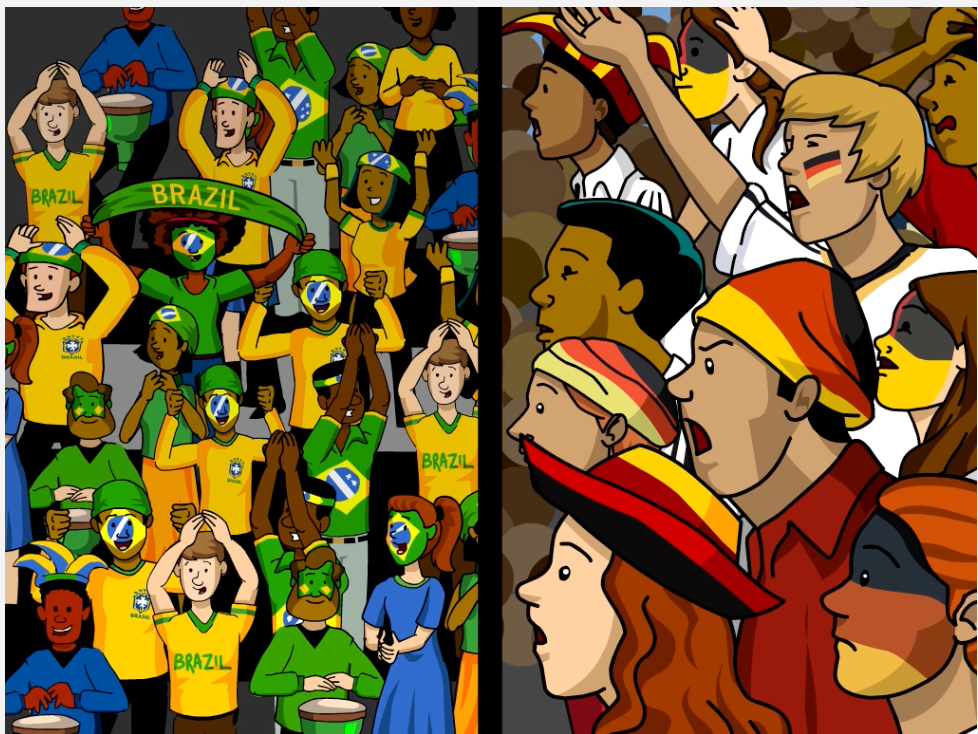
The final game of the World Cup will happen on July 19—get students prepared to fully enjoy the cultural moment with background on the World Cup and Soccer as a whole.
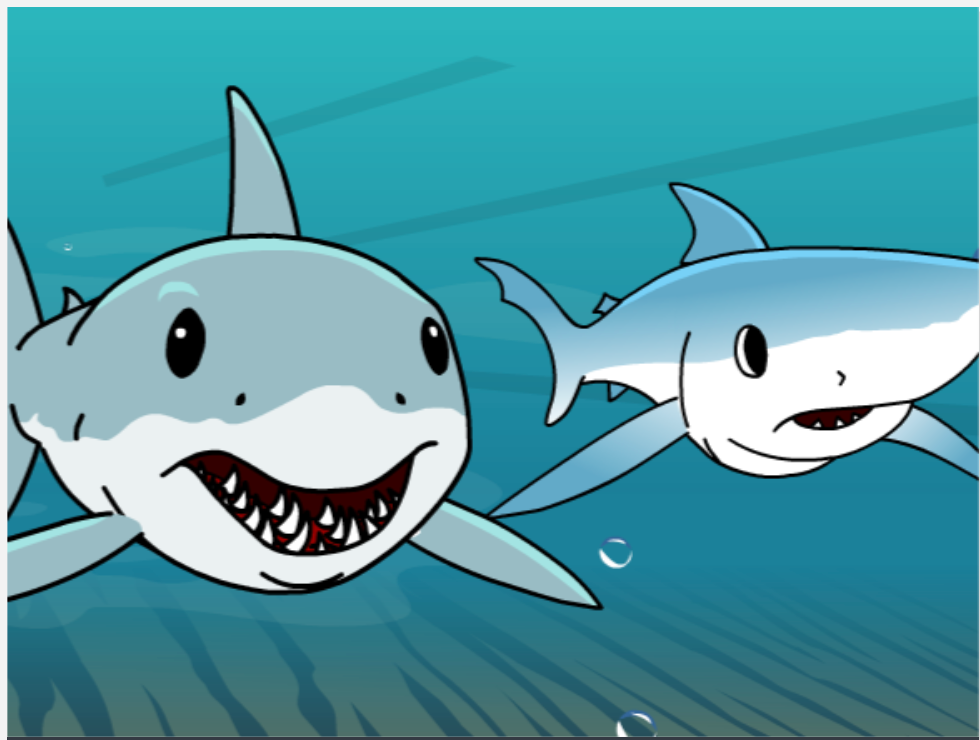
July 26: Shark Week begins
Duun dun…dun dun….It’s that time of year again: Shark Week! Teach students all about Sharks, then give them the history of nature shows through Jacques Cousteau and a peek into the world of shark research through Eugenie Clark.
Teach historical moments on the day they happened
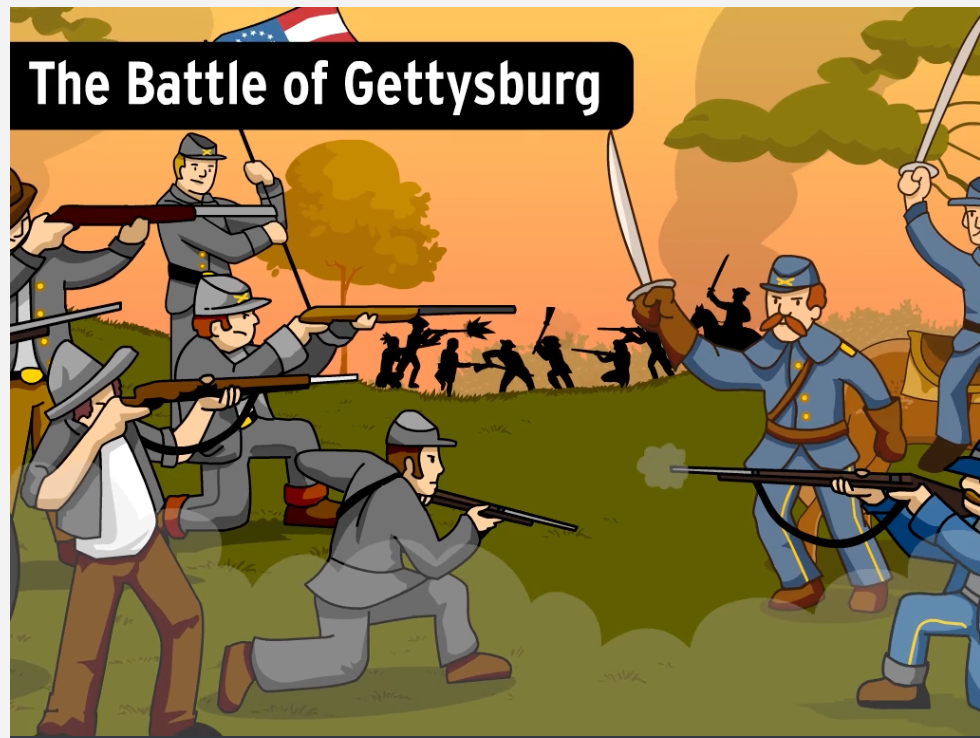
July 1: Battle of Gettysburg begins, 1863
163 years ago, the Battle of Gettysburg began, marking a major turning point in the Civil War. Use the occasion as a hook into teaching students about the Civil War or Abraham Lincoln!
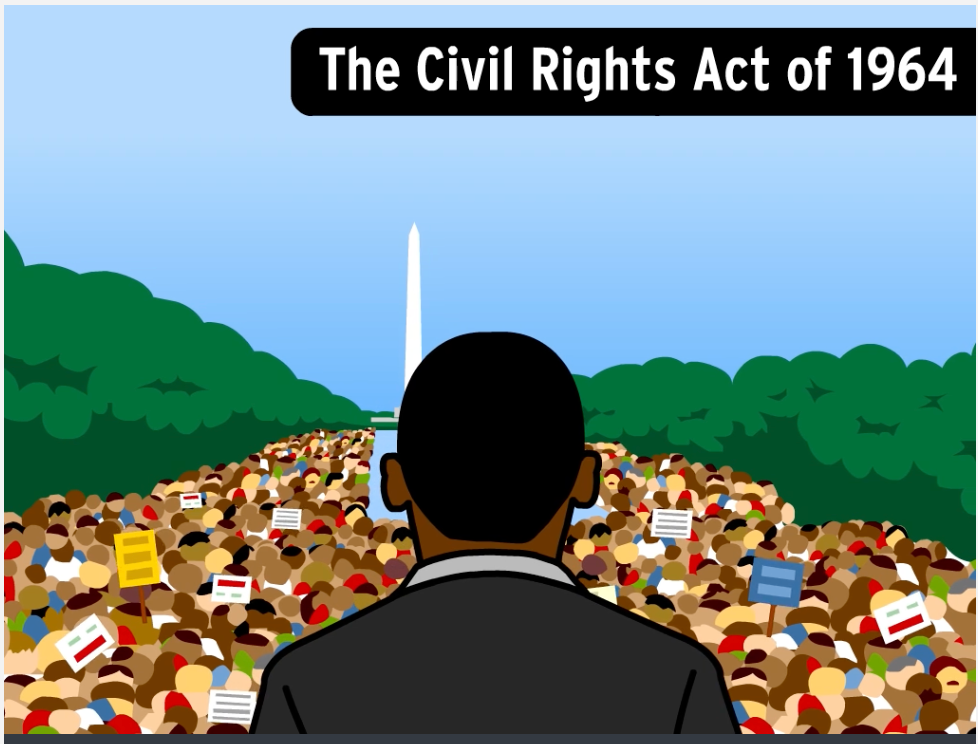
July 2: Civil Rights Act of 1964 enacted
On July 2, 1964, the Civil Rights Act was enacted—officially ending segregation in public places and banning employment discrimination.
Bring the story of Civil Rights to life for older students through movies like Civil Rights, Martin Luther King, Jr., and Jim Crow for older students—and through Rosa Parks, Ruby Bridges, and Martin Luther King, Jr. for younger students.
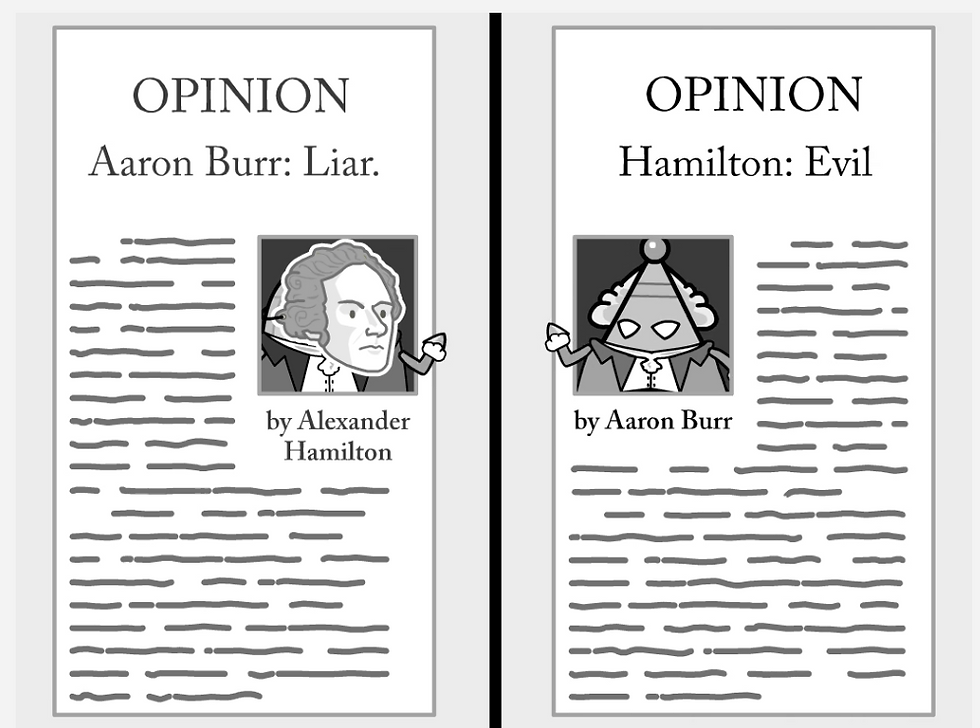
July 11: Hamilton duel took place, 1804
Students probably know Hamilton from Lin-Manuel Miranda’s musical—so first teach about the man who wrote it, then compress the three hour musical into an 8-minute animated biography of Alexander Hamilton’s life and legacy.
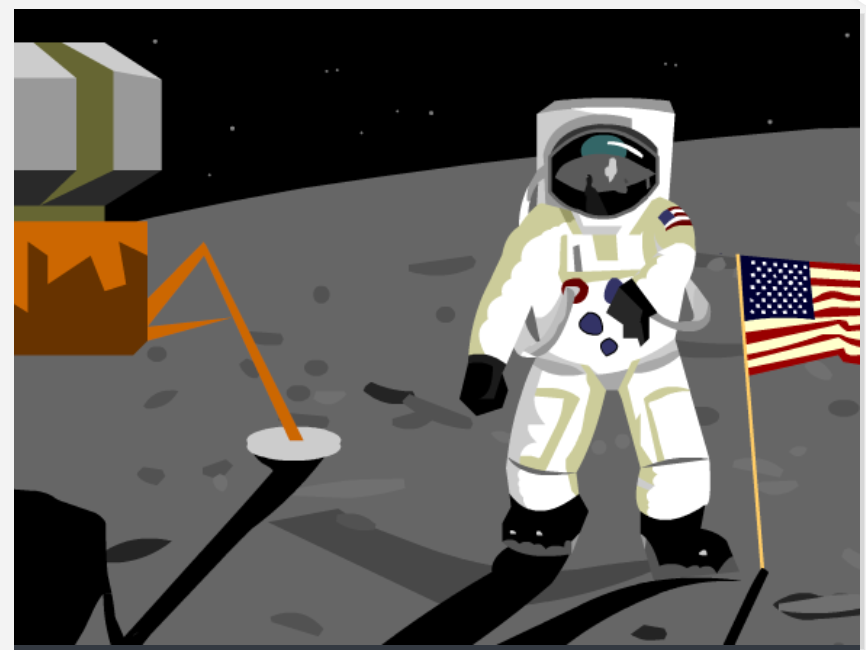
July 16-20: Apollo 11 launches, then lands on the moon, 1969
Watching man first walk on the moon is about as notable a cultural moment as they come—give students context into why it was so important through the Apollo Project, then teach them the science of the Moon and the Solar System.
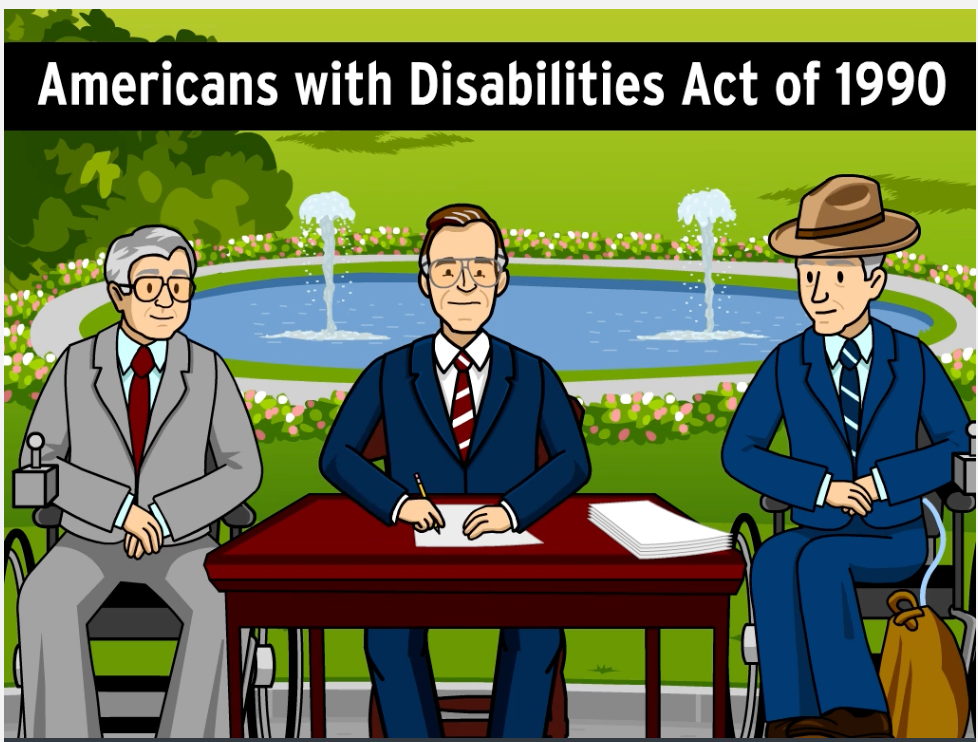
July 26: Americans with Disabilities Act (ADA) signed, 1990
This landmark legislation prohibits discrimination against people with disabilities and requires reasonable accommodation to employees with disabilities.
Take the opportunity to teach older students all about Disability Rights and The Paralympic Games—and younger students about Helen Keller!
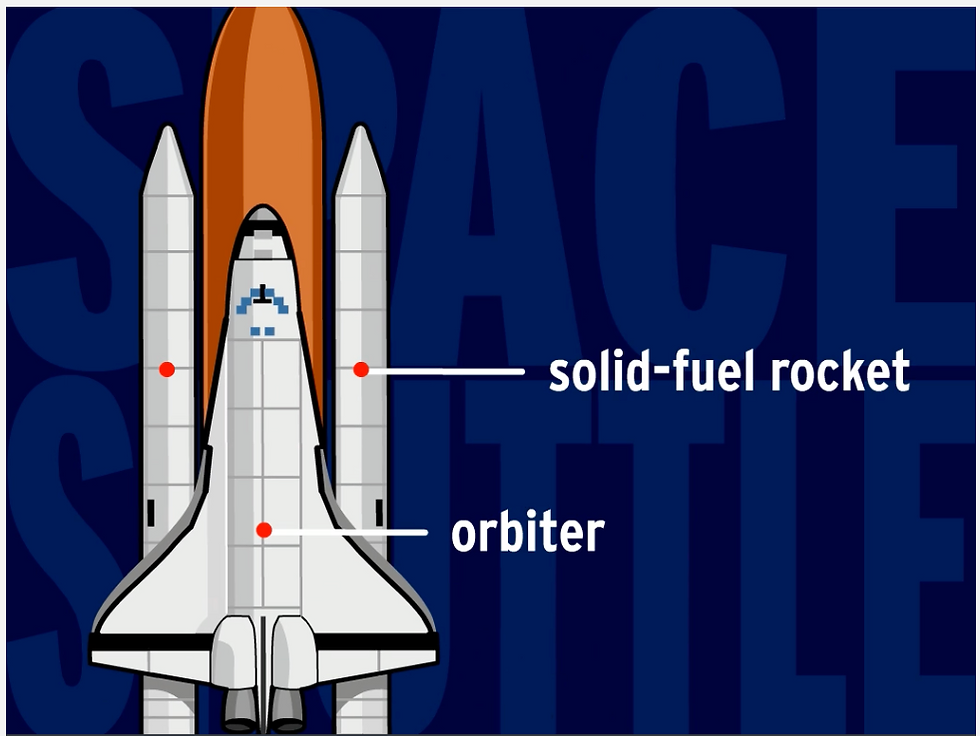
July 29: NASA created, 1958
Round out the month with even more space exploration—this time honoring the day that President Eisenhower signed the National Aeronautics and Space Act of 1958 into law, officially forming NASA (it would open for business in October that year!).
Celebrate the NASA history milestone by teaching students about Space Flight and Sally Ride (the first woman in space!)—then follow it with another milestone: the launching of the International Space Station, 40 years later.
Note: Topic availability may vary based on content settings configured by your school or district.
AnnaLiese Burich is a Product Marketing Manager at BrainPOP. In addition to holding an MA in Magazine Journalism and an MA in English Literature, she has worked in (and written for) the edtech space from every angle: from parenting tips and children's activities to classroom strategies and district goals. AnnaLiese's favorite BrainPOP character is Tim.


Comments