WHAT'S INSIDE
Build active community members—not just informed ones
Bring civics topics to life with engaging, expert-vetted content aligned to your standards and appropriate for each age group. While younger students learn the foundations of community and government, older students build to a more nuanced understanding—so they can confidently participate as engaged neighbors, constituents, and citizens.
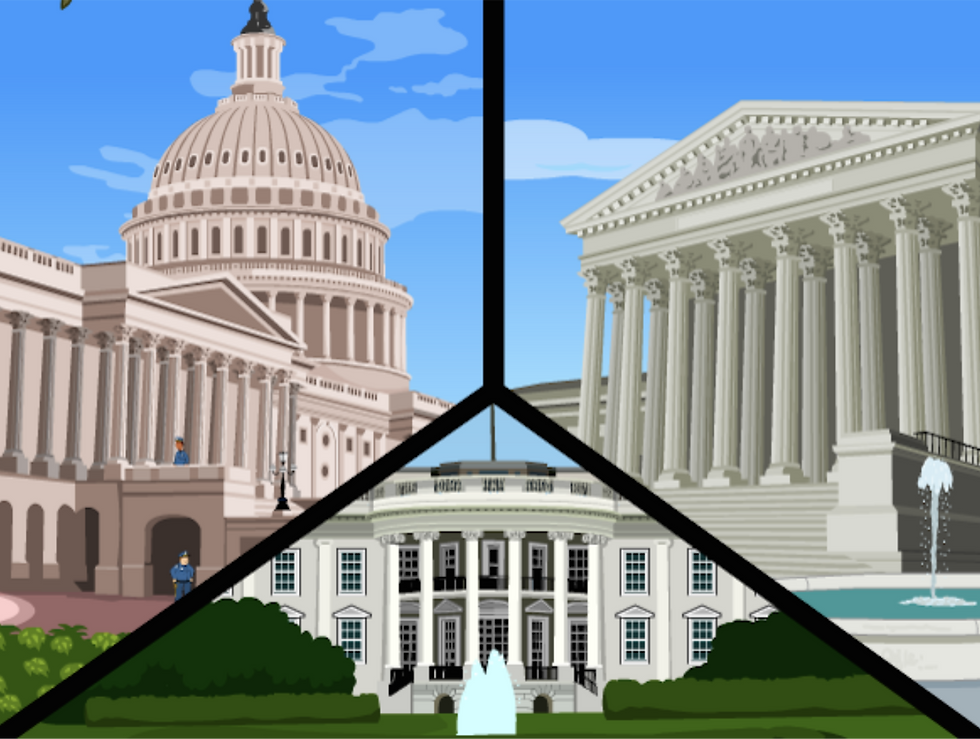
Branches of Government
Tim and Moby introduce you to the three branches of the United States government and explain how checks and balances help limit any one branch's power.
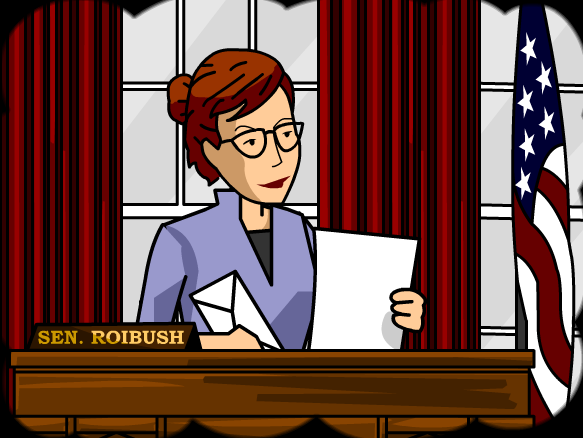
How a Bill Becomes a Law
Tim and Moby explain the process of how a bill becomes a law—from coming up with the idea and committees to the Presidential veto.
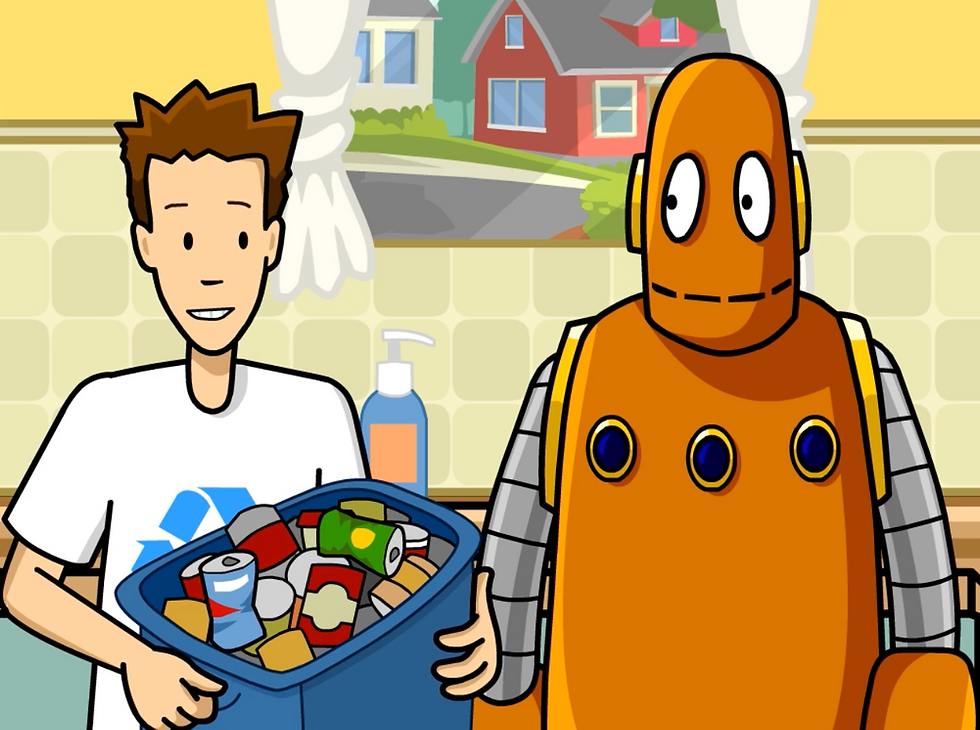
Recycling
Tim and Moby explain how trash can turn into something useful through recycling, covering the types of recycling, recycling bin etiquette, and more.
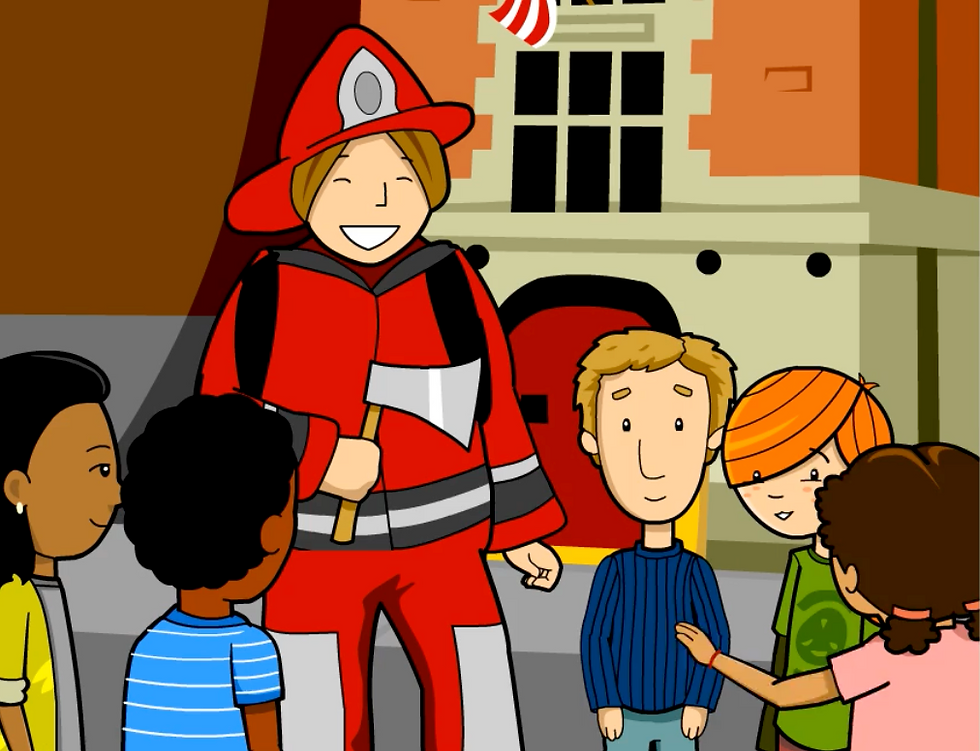
Community Helpers
Annie and Moby teach younger learners about the jobs and responsibilities that make up a community, from firefighters and police officers to doctors, librarians, and sanitation workers.
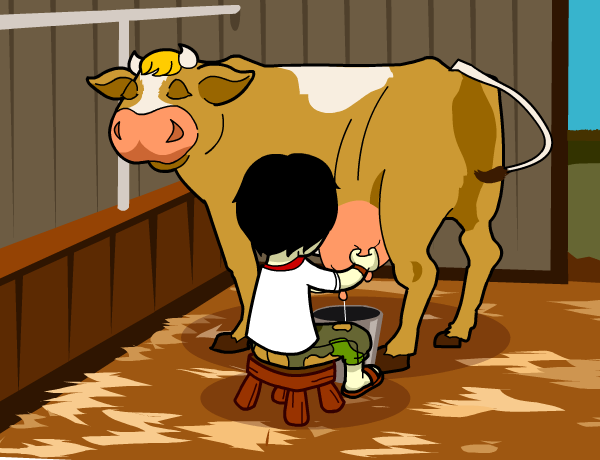
Rural, Suburban, and Urban
Annie and Moby explore different types and communities—helping young learners understand the differences between rural environments, city life, and suburban communities around them.
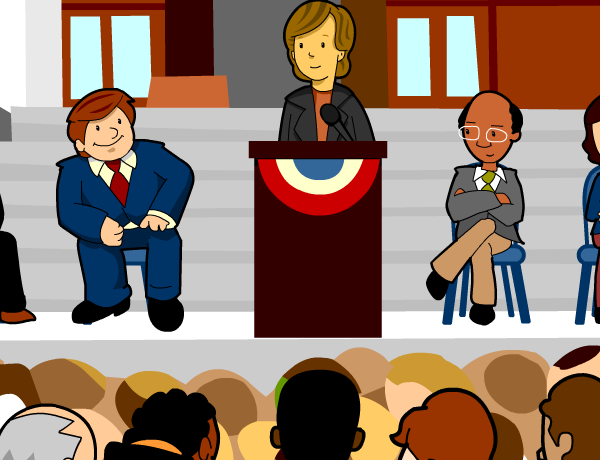
Local and State Governments
Annie and Moby teach K-3 students the foundational differences between local and state governments—as well as how each serves the community.
View our full list of topics as part of our U.S. Government unit.
View more topics on BrainPOP Jr. from our Communities unit
TOPIC SPOTLIGHT
Voting

PUT INTO PRACTICE
Civic engagement across the curriculum
Integrating civic participation across the curriculum creates engaging and relevant learning experiences for students—helping them connect classroom learning with real-world applications.
Discover content-rich ways to teach civic participation while enriching your core curriculum and meeting your state's social studies standard requirements.
-
Connect younger students’ experiences to the building blocks of community—from what type of community they live in to the ways they’ve interacted with helpers in their community.
-
Explore government structures, historical civic movements, and citizens' rights and responsibilities.
-
Organize mock elections, debates, and community service projects for hands-on learning.
-
-
Practice the different types of recycling—and brainstorm, iterate, and experiment with creative ways to make new things out of old.
-
Investigate local environmental concerns and propose solutions, connecting science to sustainability and responsible citizenship.
-
Learn about civically responsible development projects like city planning decisions from an engineering perspective.
-
-
Ask younger students to write a paragraph about their neighborhood and the people that comprise it.
-
Have students write letters to officials, create persuasive essays, and discuss current events.
-
Analyze political speeches to understand persuasive techniques and rhetoric.
-
-
Create maps of the neighborhood—using tally marks to count how many stop signs, parks, fire stations, etc.
-
Analyze data like voting patterns or public health data.
-
Budget for a community project or use math to understand and address societal trends.
-
Stay ahead of the curve with teaching tips sent straight to your inbox
Frequently Asked Questions
Civic participation is about participating in the established systems and processes and individuals' actions to be involved in their communities and the political process.
In school, this includes teaching the basics of being an informed citizen, including participating in your community and government, voting, and the mechanisms of electoral processes.
Civic participation helps students understand the governmental systems that form their community—but it’s also about helping them see themselves as active members of the community who can volunteer, vote, advocate for themselves and what they believe in, and creating a safe and supportive environment for all.
There’s no age limit to learning about civic concepts! It just might look a little different. Younger students can start by exploring what community looks like, the helpers inside a community like police officers and doctors, and understanding basic concepts like sharing and governmental bodies.
Older students can build up to more nuanced examinations of government, rights, and ways to actively engage in civic life. Since they’ve been building up the foundations since they were young, they’ll feel confident enough to engage in discussions in the classroom—then engage in their communities as participants.
BrainPOP Jr. (K-3) has movies and activities that explore the building blocks of society, its members, its government, and how it all works. Topics include:
-
Community Helpers
-
Rural, Suburban, and Urban
-
Homes
-
Transportation
-
School
-
Rights and Responsibilities
-
U.S. Symbols
-
Local and State Governments
-
President
-
Branches of Government
BrainPOP (3-8) has interactive lessons and activities that make it easy to teach about the mechanics of elections, the importance of civic participation, and the impact of voting on our society, with topics that include:
-
Branches of Government
-
How a Bill Becomes a Law
-
Census
-
Citizenship
-
Conserving Energy
-
Debate
-
Democracy
-
Local and State Governments
-
President
-
Presidential Power
-
Primaries and Caucuses
-
Recycling
-
Rights and Responsibilities
-
Voting
-
Waste Management
-
You can teach civics throughout the year by incorporating discussions about current events, community projects, and key concepts like rights and responsibilities into your lessons. Use activities that promote critical thinking and engage students in real-world scenarios, like classroom elections, debates, and role-playing as decision-makers.
These activities build positive classroom and school culture and allow students of all ages to apply what they’ve learned in real-world scenarios. Integrating civics into subjects beyond social studies keeps civics relevant all year and helps students see its everyday impact.
Civic education encourages students to analyze complex issues, evaluate multiple perspectives, and make informed decisions—skills crucial for learning to approach problems thoughtfully and consider the cause and effect of decisions in their communities.
RESEARCH-BASED, EVIDENCE-BACKED
Rooted in research about how kids learn best
BrainPOP is widely recognized as a research-based and proven effective solution in classrooms across the world.
Contact us about bringing BrainPOP to your school
“[BrainPOP does a] good job of laying out the facts…so kids can see perspectives and think about how they feel about an issue or historical event. I can give students a reliable resource that addresses the different perspectives needed to understand the complexity and history of what happened.”
A. Mills, Teacher
Bridgewater Public Schools, CT