How BrainPOP Decides Which Topics to Make Into Movies

Updated: Oct 1
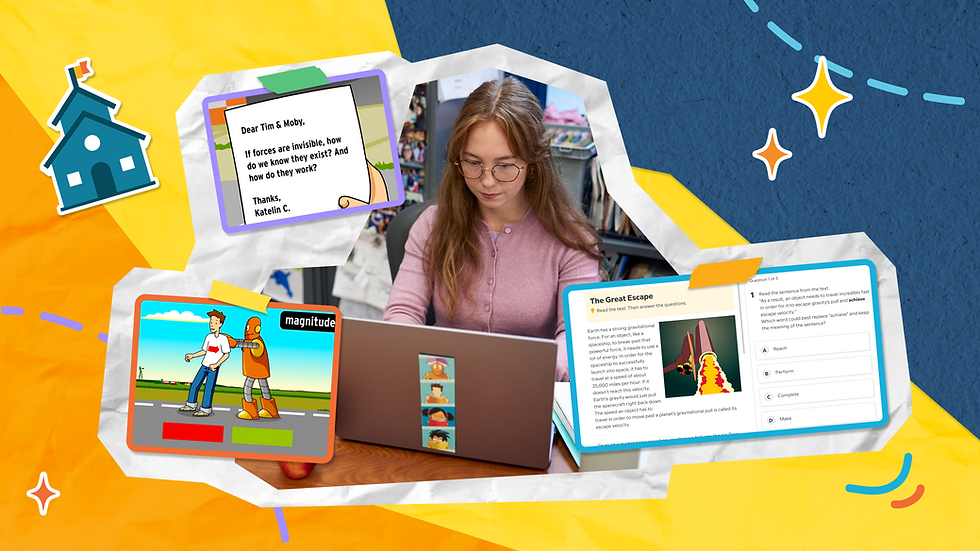
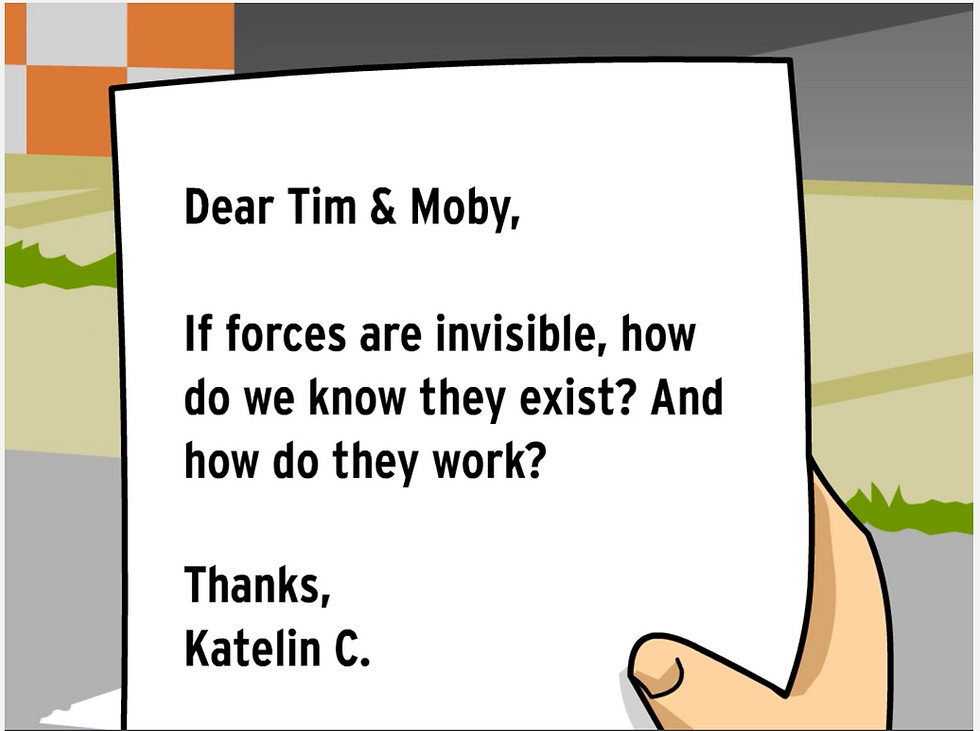
Every BrainPOP movie starts with student curiosity—in the form of a letter, from a student, asking a burning question. But did you know that selecting which letters BrainPOP answers starts with a question, too?
Actually, it starts with 5 questions—because when it comes to selecting which movies to make, we listen to the students, their teachers, and their curriculum.
How BrainPOP Turns Curriculum Requirements Into Questions Kids Actually Want Answered
Before pen is ever put to paper to write a movie’s script, BrainPOP’s learning design team provides the editorial team—the scriptwriters and editors—with a topic and a blueprint. This blueprint answers the overarching questions scriptwriters and animators need to keep in mind as they work, ensuring that learning design and curriculum needs are baked into every movie.
To get to the point of having a topic and blueprint, though, the learning design team needs to ask themselves a series of questions. We chatted with Dr. Barbara Hubert, Sr. Director of Learning Design at BrainPOP, to learn more.
5 Grown-Up Questions that Spark Curiosity-Based Learning in Kids
Are teachers asking for this topic? Does this question pop up in classrooms a lot?
Dr. Barbara Hubert: When picking a topic, we listen a lot to what [teachers] are asking for and why. One part of that is looking at what teachers are searching for in the BrainPOP search bar—and, if they’re frequently searching for we don’t have, we take a look at that topic for potential development.
When considering a topic, we also ask: do a lot of kids have that unit? If yes, that's something we'll build for. We also think about how many kids a topic can reach and how many different entry points there are for those kids, so we can maximize what the topic is doing for learners.
That being said, niche topics are great too! Those are important, and there's space for them.
Would this topic make for a good story?
Dr. Barbara Hubert: There's also the question: can this topic make a good BrainPOP movie? Can it translate into a narrative that takes you on a journey and leads you to an answer to a driving question? Sometimes, [a topic] might not hit those connection points in a learning journey or elicit the kinds of questions we're focused on. If it's a very specific niche interest, we might group several related niche ideas together into something broader that works as a BrainPOP topic."
What learning needs to happen in the classroom when covering this topic?
Dr. Barbara Hubert: From a learning design perspective, we ask: what's the learning happening in your classroom? We're guided by what we need this topic to do for deep learning in the classroom because the questions kids have will naturally arise from those conversations and from what they're learning. We're going to meet you where you are.
What needs to be answered for a student to understand this topic?
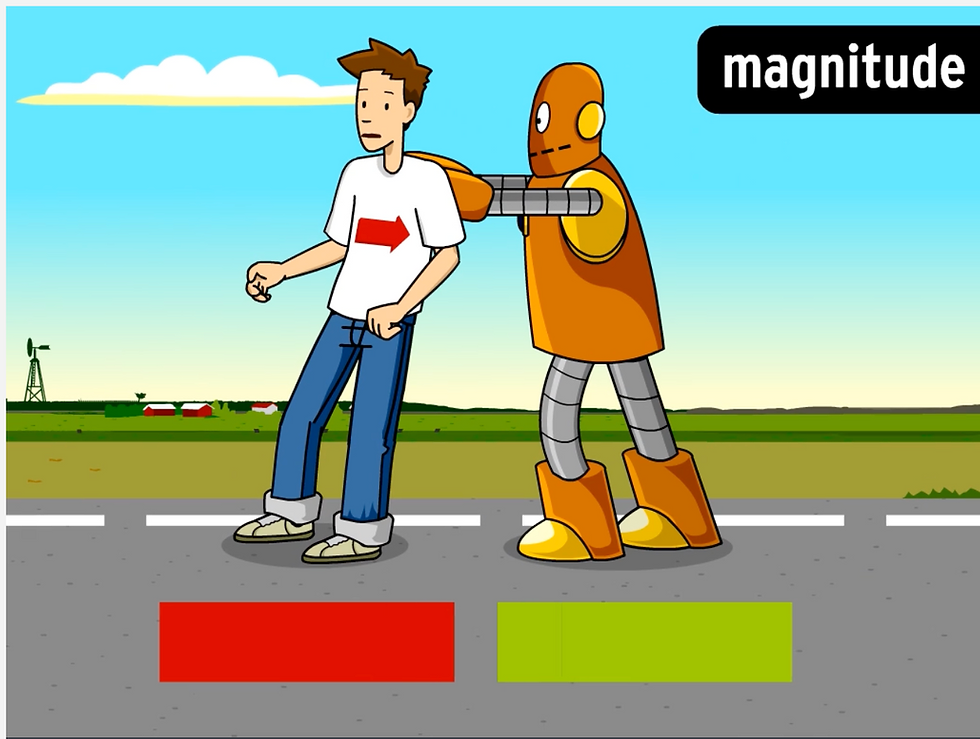
Dr. Barbara Hubert: From a learner perspective, we ask: what learning is likely happening in the classroom? Where are the learners developmentally? What questions are the kids likely already asking that this topic connects to? What does that mean for a third grader? What does that mean for an eighth grader?
For example, for our AI literacy collection, we framed it from a kid's perspective: “I've heard about LLMs, but if I use it, is that cheating?” That's a real kid dilemma. We get at the most important learning through that lens.
We really hold those different child-development entry points in mind and think: what is the most important thing for a student or kid to take away that will address the questions they're naturally going to have when they think about this topic?
What needs to happen from a curriculum perspective when covering this topic?
Dr. Barbara Hubert: Before scriptwriters do their deep dive, we lay out some key ideas that are really important to hit, plus key vocabulary words kids will need to grapple with to understand the topic. We also lay out the beats of the learning journey—the narrative journey a student might go on to get to that big question at the end.
Bonus Round: The Learning That Didn't Make the Movie
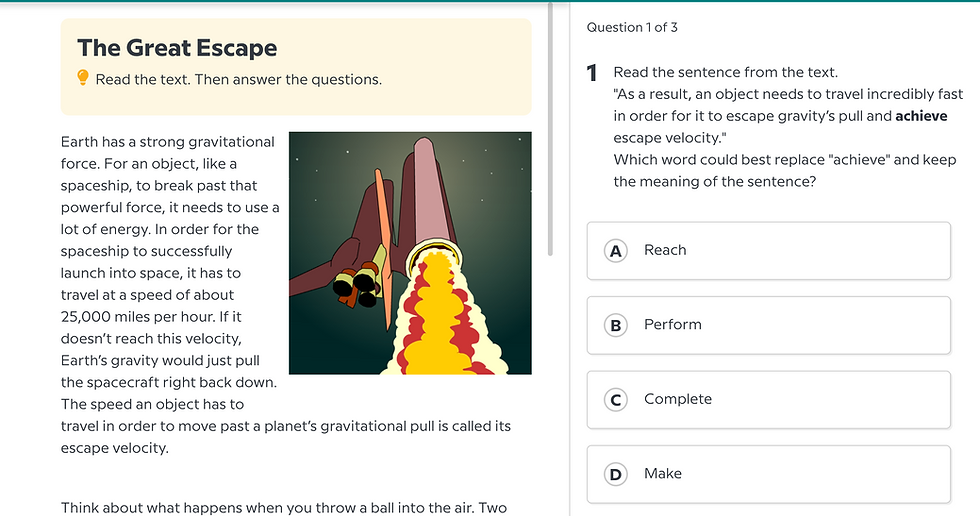
Given that BrainPOP movies are so short, and the scriptwriters do so much research, sometimes there’s extra learning that doesn't make it into the movie. The learning design team turns it into a curriculum development opportunity.
Dr. Barbara Hubert: Sometimes, what can't make it into the movie goes into a Connected Text!* We're deeply in partnership with editorial on connected texts. There's a lot of back and forth: we define the realm of connectedness the text must have to the topic — it has to be something a teacher, parent, or anyone would organically feel makes sense with the movie. Then we work together on what's developmentally appropriate, the right age level, and what kinds of words can and should be used.
From Learning Design to the Editorial Team
After the learning design team has created the topic blueprint that answers all of these questions, the next stop on a new movie’s journey to creation is the editorial team: the editors and scriptwriters who keep all of this learning science in mind as they’re researching and writing the script. Learn how the BrainPOP editorial team turns academic research into stories kids remember.
*Connected Texts include optional AI reading scaffolds that provide students with simplified sentences and definitions for any word or sentence. All AI functionality in BrainPOP products are configurable and can be turned off to meet local needs and policies
AnnaLiese Burich is a Product Marketing Manager at BrainPOP. In addition to holding an MA in Magazine Journalism and an MA in English Literature, she has worked in (and written for) the edtech space from every angle: from parenting tips and children's activities to classroom strategies and district goals. AnnaLiese's favorite BrainPOP character is Tim.


Comments