Teaching AI Literacy: Why Educators Trust BrainPOP for Answering Big Questions

Updated: Mar 26
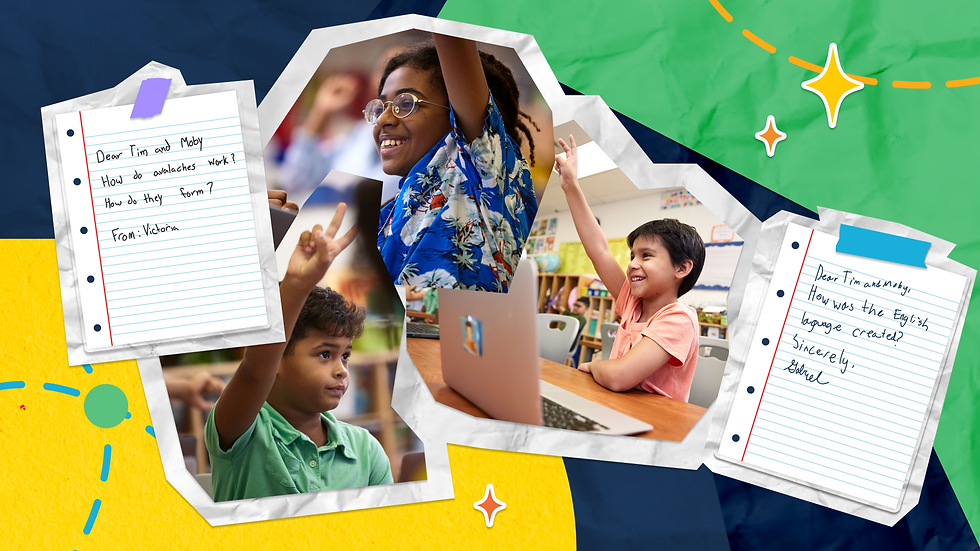
Big moments raise big questions.
In classrooms, those questions may sound simple at first, but they often reflect something deeper. Students are trying to understand the world they're growing up in, and sometimes that world is changing fast.
Since its founding in 1999, BrainPOP has stood alongside educators in these moments, providing clarity when confusion is high and steady guidance when the ground feels like it's moving. Over the years, that commitment has taken shape again and again, as new challenges emerged and classrooms looked for trusted ways to respond.
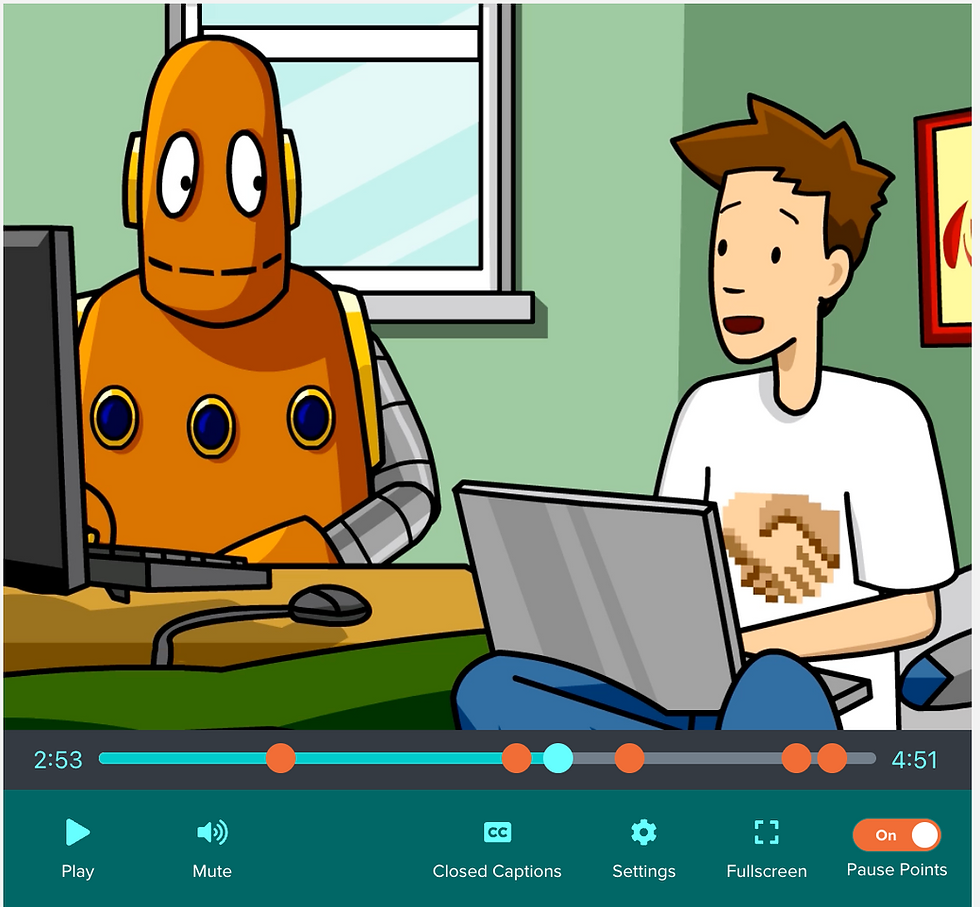
In the early years of BrainPOP, the world was undergoing a profound transformation: the digital revolution. As the internet became part of everyday life, teachers needed help guiding students through an entirely new landscape.
Topics like Internet, Email and IM, Online Safety, and Digital Etiquette helped define what it meant to be a responsible digital citizen long before the term was widely used.
As social platforms grew, BrainPOP expanded into areas like Cyberbullying and Social Media, helping students navigate not just technology, but the human behaviors surrounding it.
Then came moments of global crisis that reshaped how young people understood the world. In the aftermath of September 11th, educators faced the enormous challenge of explaining complex and frightening events to students. BrainPOP responded with topics such as September 11th, Terrorism, Airport Security, and War, offering age-appropriate ways to explore difficult realities. These resources didn’t just deliver information; they helped create space for understanding, empathy, and discussion.
As the 2000s continued, public health emergencies brought a new kind of urgency to science education. Outbreaks like SARS and H1N1 raised pressing questions about how diseases spread and how societies respond. BrainPOP met that moment with content on Viruses, the Immune System, Vaccines, and specific outbreaks like Avian Flu and Swine Flu, equipping teachers to connect scientific concepts to real-world events students were hearing about at home and in the news.
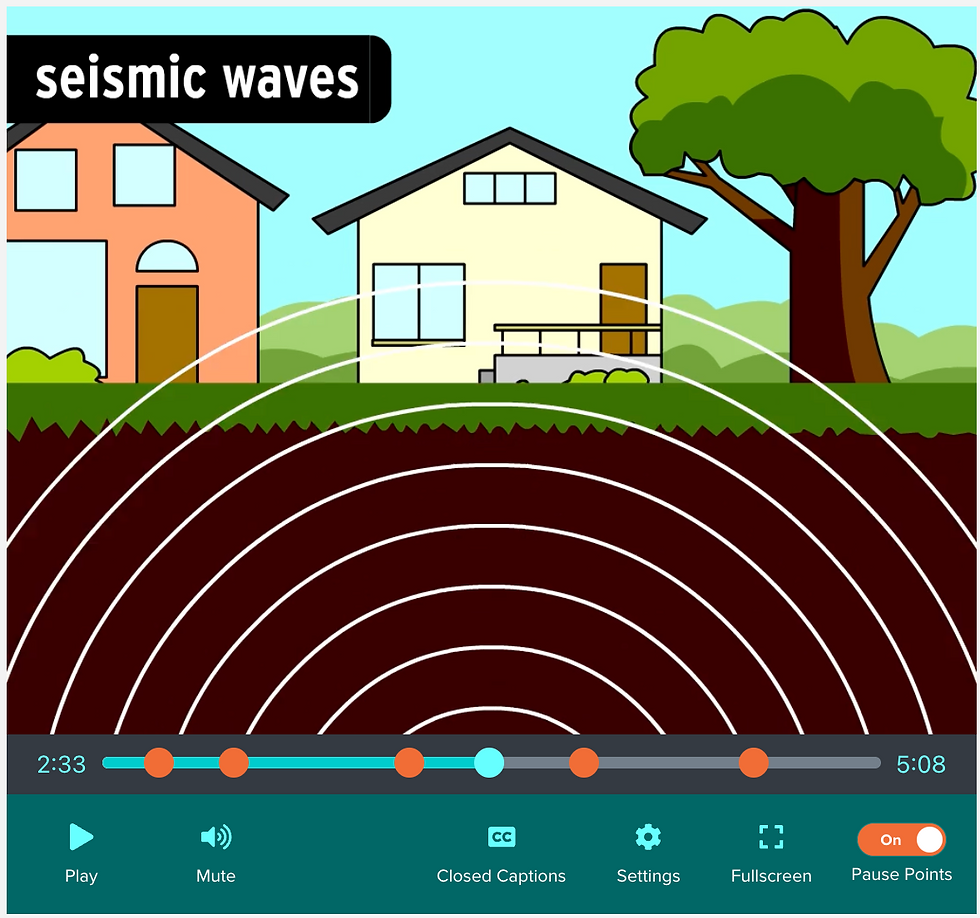
Natural disasters also became moments that deeply affected many students. Events like the Indian Ocean tsunami, Hurricane Katrina, and the Japan earthquake and tsunami were not just headlines, they were deeply human stories that could be difficult to process.
BrainPOP helped teachers shift the conversation from fear to understanding, using topics like Tsunami, Earthquakes, Hurricanes, and Floods to ground these events in science and context, while also addressing related topics like Nuclear Energy and Radioactivity when needed.
At the same time, a growing awareness of environmental issues began shaping public discourse. BrainPOP supported this shift with topics such as Climate Change, Greenhouse Effect, and Carbon Cycle, helping students understand both the science and the stakes of a changing planet.
In more recent years, civic participation has become increasingly visible and complex. With heightened political polarization and constant media exposure, educators have turned to BrainPOP for support in teaching topics like Voting, Media Literacy, Supreme Court, and Presidential Election. These resources aim not to tell students what to think, but to help them think critically, evaluate information, and participate thoughtfully in a democratic society.
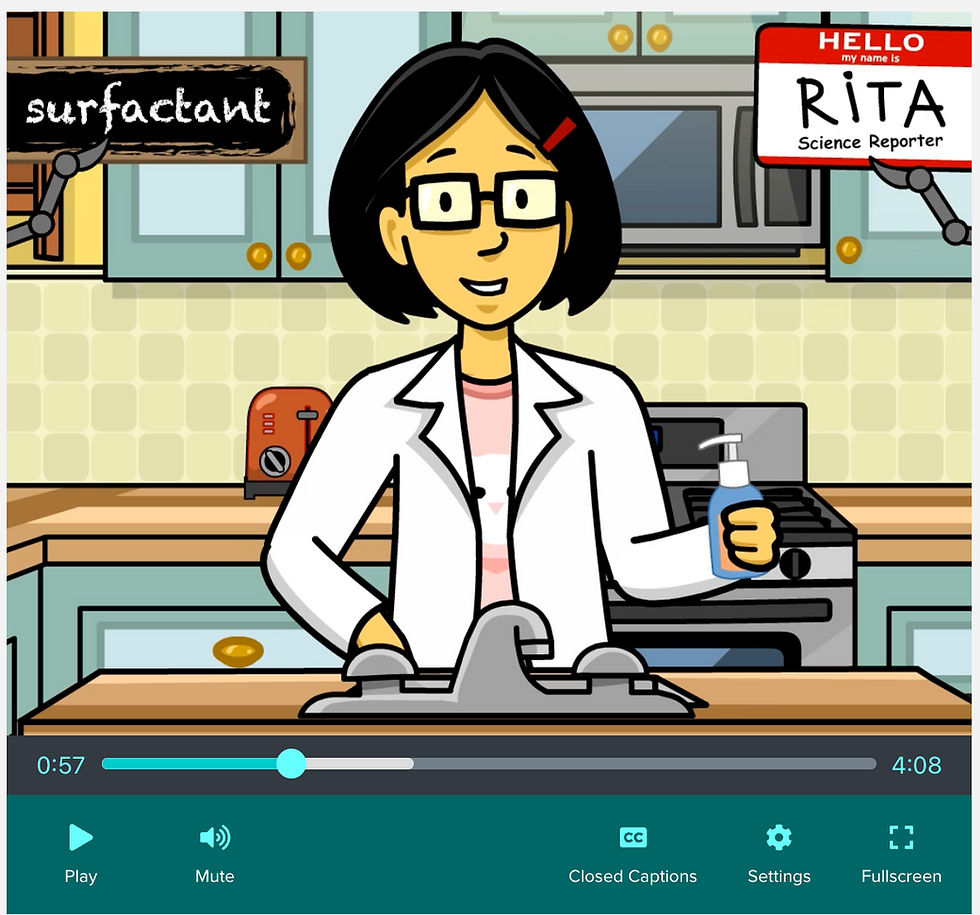
The COVID-19 pandemic marked another pivotal moment. Practically overnight, classrooms shifted, routines disappeared, and uncertainty took hold.
BrainPOP responded quickly with resources like Coronavirus, Distance Learning, and How Soap Works, helping teachers address both the science of the virus and the realities of students’ daily lives.
Now, we are living through yet another major shift, one that feels as transformative as the early days of the internet: the rise of artificial intelligence.
AI is already reshaping how we work, learn, and communicate. For students, it raises new questions about creativity, authorship, ethics, and the future of knowledge itself. For teachers, it presents both opportunity and uncertainty. And once again, BrainPOP is stepping in to help.
Coming Soon: Teaching AI Literacy
Our new AI Literacy Collection—coming this back-to-school-season—represents the next chapter in BrainPOP’s long history of teaching through change. Just as it did with the internet and other defining moments, BrainPOP is helping classrooms make sense of something new and fast-moving. That means not only explaining how AI works, but helping students think about how it’s used, how it shapes the information they see, and what it means for students as they learn, create, and make sense of the world around them.
Over the past 27 years, one thing has held true: change is constant, but teachers don’t have to navigate it alone. With the right tools, the right context, and a trusted partner, even the biggest questions can become opportunities for meaningful learning.
Demian Johnson is VP Design Director at BrainPOP, where he has helped shape the company's creative vision since its founding in 1999. As the leader of BrainPOP's animation team, he has played a key role in defining the distinctive style and storytelling that generations of students and teachers know and trust. His favorite BrainPOP character is Moby.


Comments