Seeing the Full Picture: BrainPOP and the Science of Reading

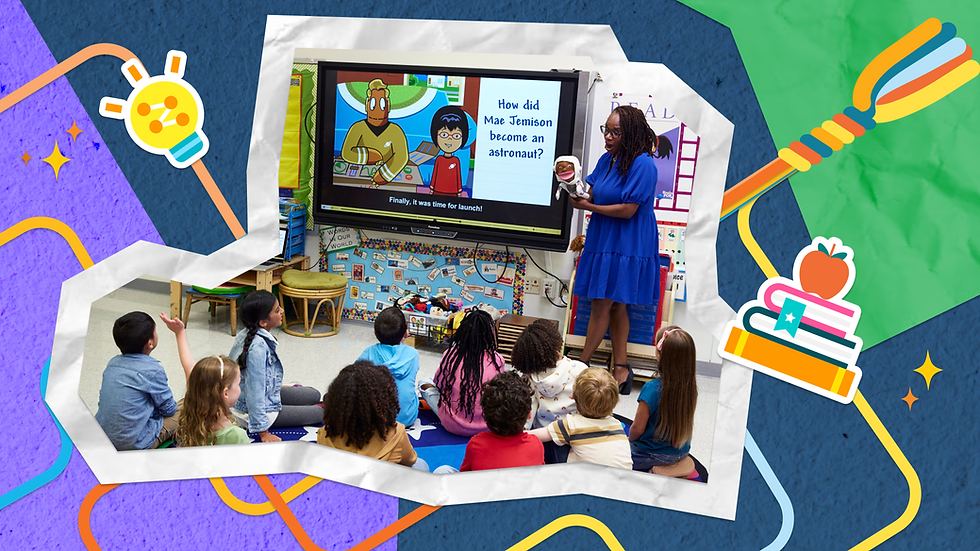
One of our BrainPOP professional learning team members ends sessions with a simple sentence frame:
I used to think BrainPOP ____, but now I think ____.
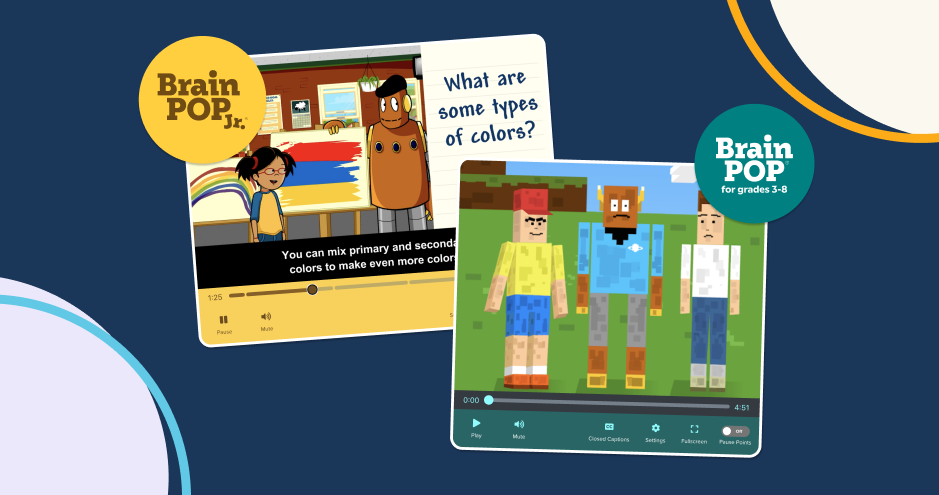
I love that prompt. Teachers often come into a session knowing BrainPOP for our animated movies—and leave with new ideas about what they can do with them.
Lately, a lot of my conversations with educators have centered on the Science of Reading. And one idea keeps coming up: "BrainPOP is great for building background knowledge."
I agree! But that's only part of the story. BrainPOP can also help students unpack unfamiliar words, make sense of complex sentences, read between the lines, and recognize how different kinds of texts work.
The Reading Rope: Weaving it all together
If you’ve spent time with the Science of Reading, you’ve likely seen Scarborough’s Reading Rope. It brings together two essential parts of skilled reading: word recognition and language comprehension.
Students need to recognize words accurately and increasingly automatically. They also need to understand the language and ideas those words convey. Background knowledge is one strand, but it’s woven together with vocabulary, language structures, verbal reasoning, and literacy knowledge.
Let’s look at what that can mean in your classroom.
Background knowledge: “I know something about this!”
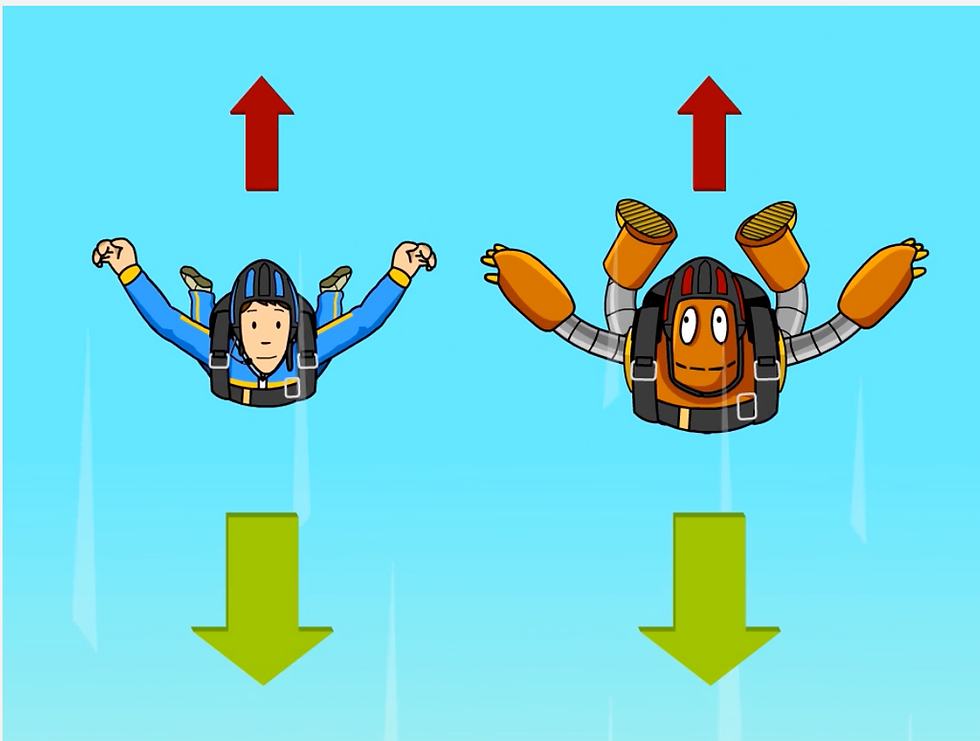
Think about asking students to read about ecosystems when they don’t yet know what a food chain is.
Even if they can decode every word, making sense of the passage can be a challenge.
Where BrainPOP helps
BrainPOP’s movies across the curriculum give students a way into unfamiliar topics through background knowledge. An animation, an explanation, or a memorable example can give them something to connect to when they encounter the same ideas in a text.
Try this: Students can return to an example from the movie when they encounter the same idea in their reading.
Vocabulary: "What does that word mean here?"
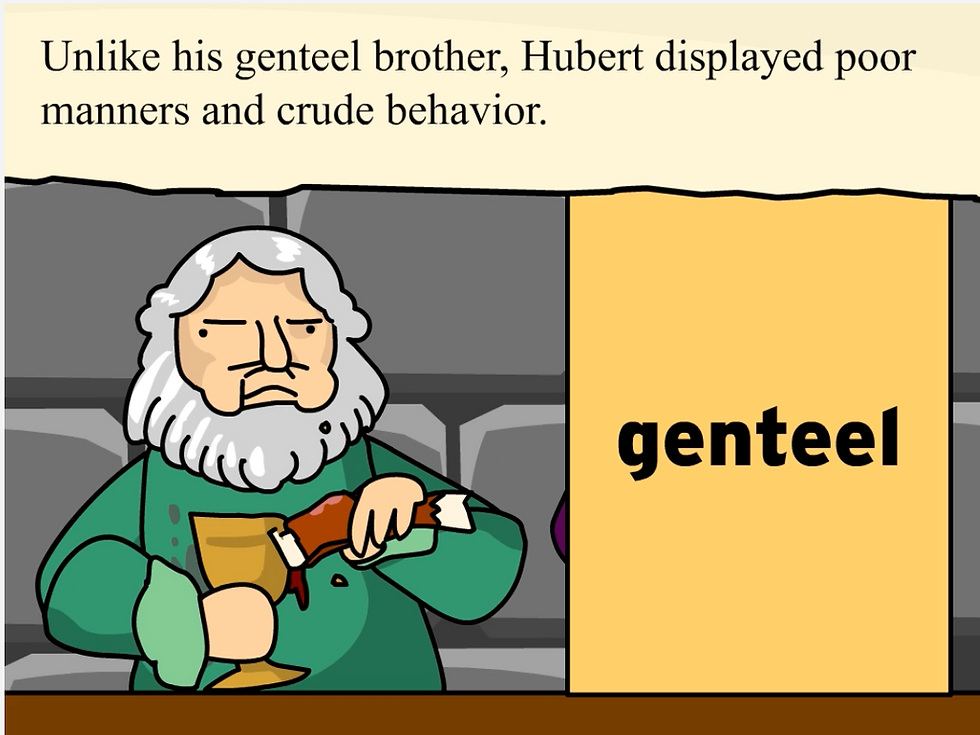
A student may be able to recite a definition and still struggle with the word in a new sentence.
Where BrainPOP helps
BrainPOP topics such as Context Clues, Etymology, and Homonyms help students explore how words get their meanings—and how those meanings can change.
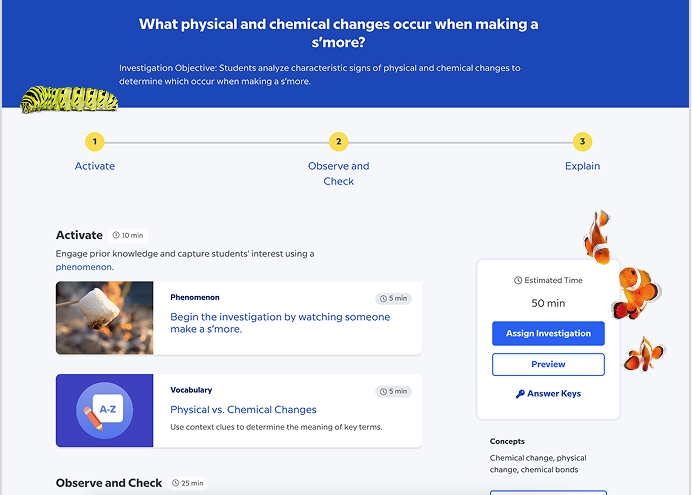
Vocabulary Builder activities give students practice using words in context.
Connected Texts take that work into reading. These high-interest passages connect to the movie students just watched, with built-in word-level support when unfamiliar vocabulary gets in the way.*
Try this: As students read, ask them to notice words they remember from the movie and explain how they’re used in the passage. Bring that thinking back to a shared reading for your curriculum by asking “Which clue helped you figure out this word?” or “Does this word mean the same thing here as it did in the movie?”
Language structures: “Wait—who did what?”
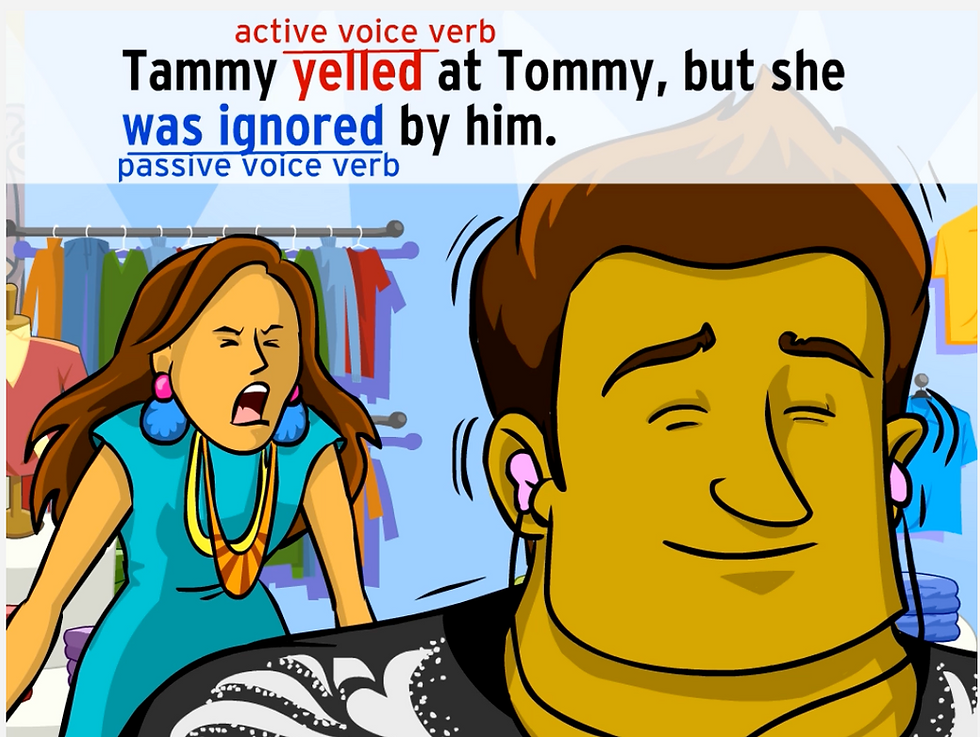
A student may know each word in a long sentence but lose track of who is acting, what happened, or how the ideas connect.
That’s where language structures—the grammar and syntax that organize meaning—come in.
Where BrainPOP helps
Topics like Parts of Speech to Parallel Structure, make those patterns visible.
Try this: Use those language structures topics to explore a sentence from your class reading and show how its grammar shapes the meaning.
Then, during a Connected Text, get students thinking about language structures by taking a sentence from a class text and ask: “Which words belong together? What is the main idea of this sentence? What changes if we rearrange it?”
Verbal reasoning: "The author didn't say it, but…"
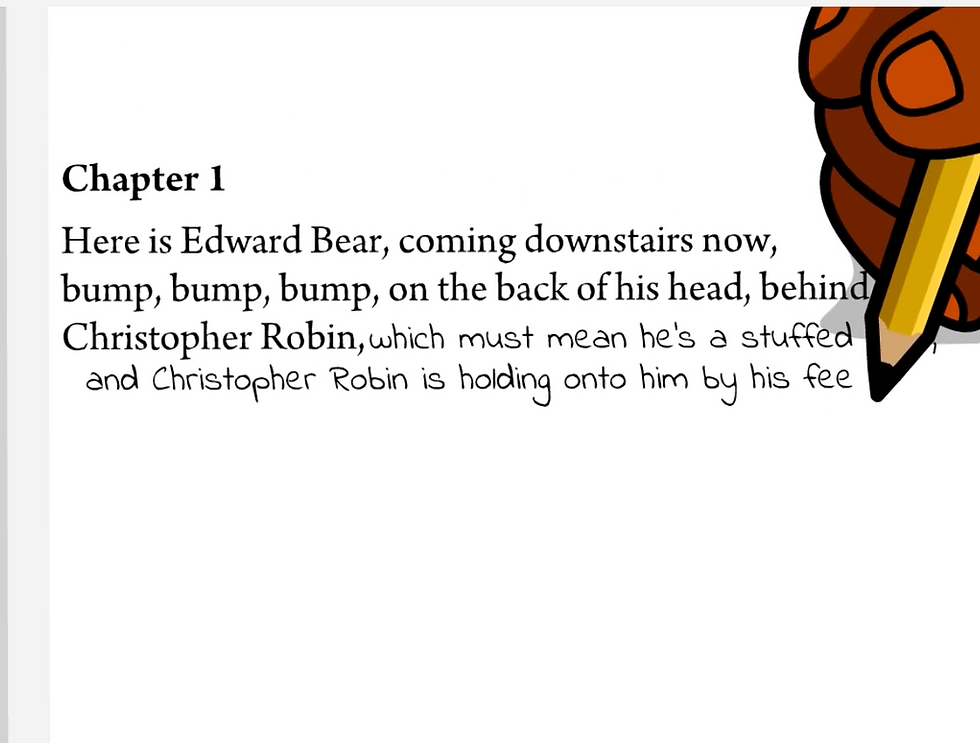
Readers do a lot of thinking that isn’t printed on the page. They connect clues, draw inferences, and recognize when language isn’t meant literally.
Where BrainPOP helps
BrainPOP topics such as Making Inferences, Idioms and Cliches, and Figurative Language give you ways to make that thinking explicit.
Try this: After watching a BrainPOP movie, invite students to explain an inference or describe what a figurative expression means—and point to the clues that helped them figure it out. A useful follow-up question is, "What makes you think that?" Whether students are interpreting a character's actions or unpacking a metaphor, the question brings them back to the clues that support their thinking.
Literacy knowledge: "I know how this kind of text works."
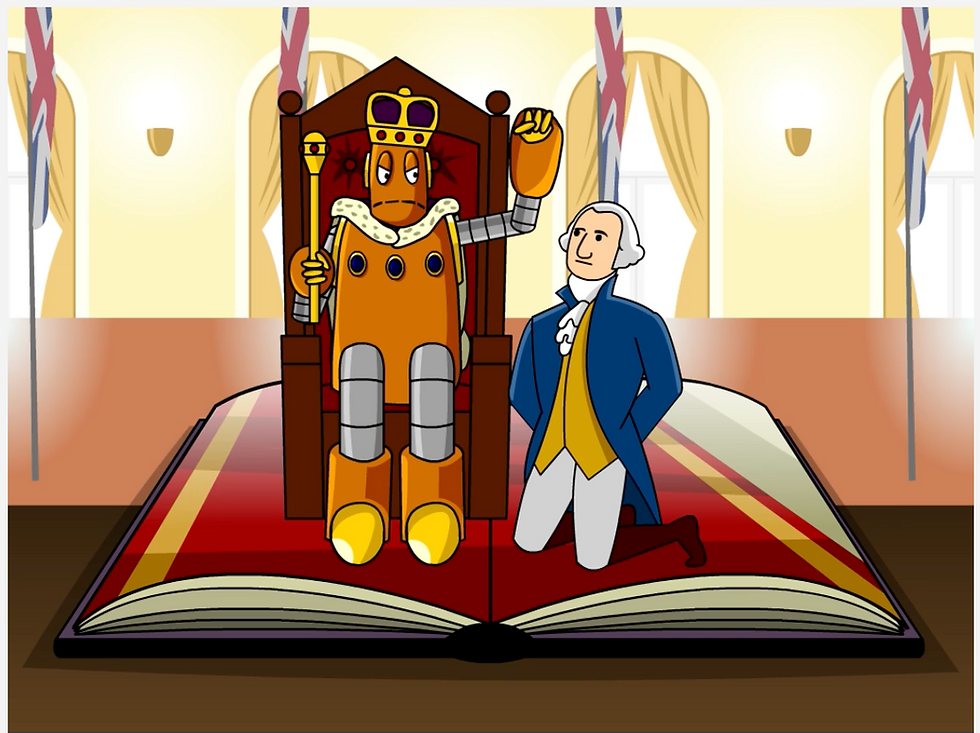
We don’t approach a science fiction story the same way we approach a personal narrative or an informational article.
Knowing what to expect helps readers find their way.
Where BrainPOP helps
BrainPOP introduces genre conventions through topics such as Science Fiction and Personal Narrative, alongside concepts such as Main Idea and Compare and Contrast.
Try this: You can use these topics to help students notice how a text is organized: "What kind of text is this? What features do you see? How do they help you understand it?"
Decoding: Connecting speech and print
So far, we’ve explored the five strands on the language comprehension side of the Reading Rope. The word recognition side includes phonological awareness, decoding, and sight recognition. BrainPOP’s phonics topics connect most directly to decoding—using sound-spelling relationships to read written words.
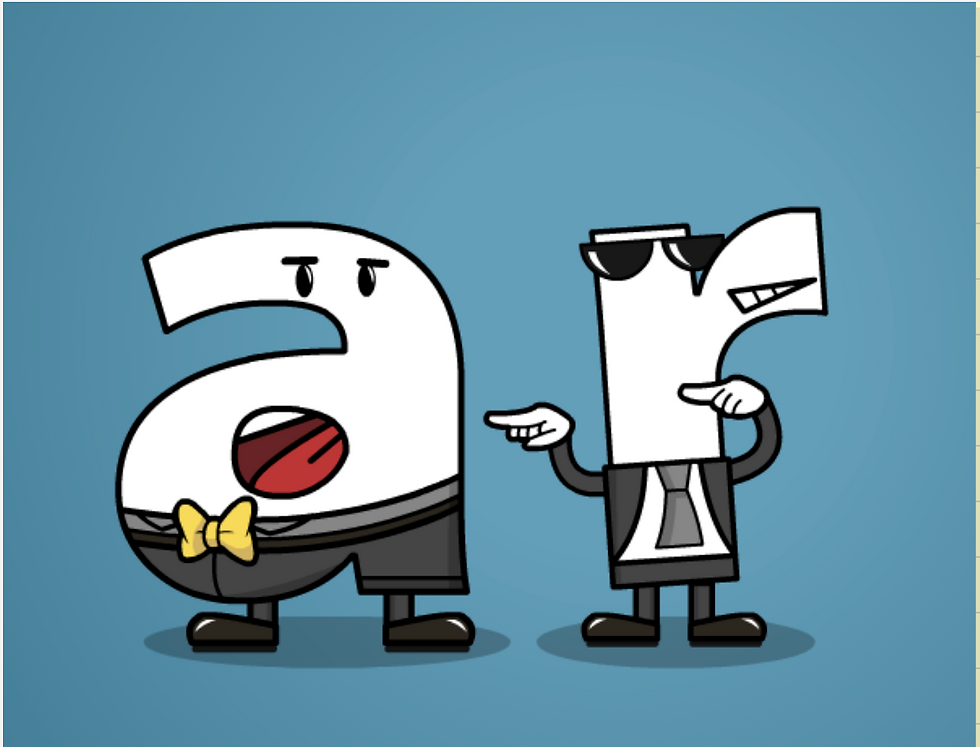
These topics offer opportunities to reinforce sound-spelling patterns through visual explanations and playful narratives.
Used alongside explicit, systematic foundational reading instruction, these resources can give students another way to revisit the connections between speech and print.
A bigger role in your literacy plan
Pick a passage your students will read this week. A related BrainPOP movie can give you something specific to discuss before reading: a word students will encounter, a sentence pattern, or an idea they’ll need to understand.
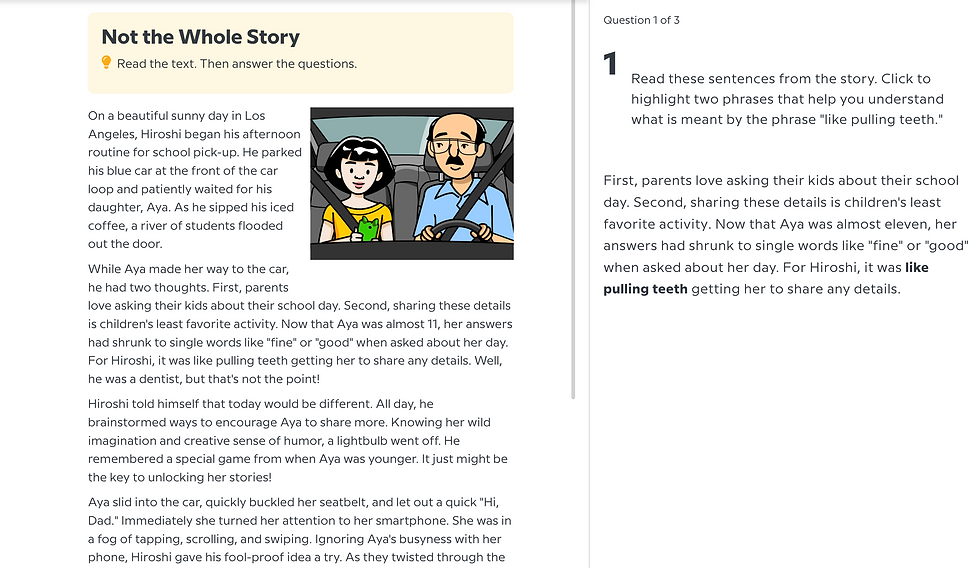
That’s where pairing a movie with a Connected Text can be especially useful: students build a foundation for the topic, then deepen their understanding through reading—with support for words and sentences along the way.
For K-8 leaders, this is worth discussing with science and social studies teams as well as ELA teachers. Where are students encountering unfamiliar vocabulary or struggling with the language of a text? Those are useful places to consider a BrainPOP movie and Connected Text.
So the next time you log in, look beyond the topics you already know and love. Start with a reading challenge your students are facing, then consider which strand of the rope needs attention.
You might find yourself finishing that sentence frame a little differently:
I used to think BrainPOP was just for building background knowledge. But now I think it can help me create a classroom of strategic readers!
*Connected Texts include optional AI reading scaffolds that provide students with simplified sentences and definitions for any word or sentence. All AI functionality in BrainPOP products are configurable and can be turned off to meet local needs and policies.
Deb Rayow is the Vice President of Learning and Content Strategy at BrainPOP, with a Bachelor's in Child Development and a Master's in Elementary Education. She is an avid solver of mystery puzzle boxes and aspires to someday be a judge (not a contestant) on a Food Network baking show. Deb's favorite BrainPOP character is Nat.


Comments